
Executive Summary
In the competitive landscape of home organization, demonstrating product versatility across multiple use cases is paramount. The client, a manufacturer of modular storage solutions, required a visual asset that could seamlessly transition between distinct domestic environments—from a sleek kitchen to a rugged garage—without the logistical burden of a multi-location physical shoot. Advids leveraged the Precision Visualization Workflow to engineer a fully photorealistic, three-dimensional home environment. This approach allowed for total control over lighting, texture, and spatial layout, resulting in a cohesive narrative that highlights the product's adaptability across five unique architectural settings.
The Challenge: Visualizing Versatility Without Logistics
The core challenge was to demonstrate the "LUMI" pegboard system's utility in vastly different home environments within a single, fluid video sequence.
- The Spatial Constraint: Filming in real locations would require finding a house that perfectly matched five distinct interior design styles (Modern, Industrial, Gamer, Utility, Minimalist), which is logistically improbable.
- The Consistency Hurdle: Ensuring the product looked identical in scale and finish across these varied environments while maintaining photorealistic lighting interaction was critical.
- The Continuity Need: The client envisioned a "cutaway" or isometric view to show the house as a whole, a shot impossible to achieve with traditional cinematography without building a massive, expensive practical set.
The Solution: A Virtual Architectural Canvas
Advids proposed a comprehensive 3D Industrial and Architectural Visualization approach. By building a digital "master home" from scratch, we removed physical constraints.
- Digital Asset Creation: We modeled the product with high-precision Computer-Aided Design data to ensure 100% accuracy.
- Environment Construction: We designed and built a complete 3D house model with fully furnished rooms, enabling the "isometric" master shot.
- Dynamic Lighting: We utilized advanced rendering techniques to simulate accurate daylight and artificial lighting for each specific room, ensuring the product looked natural in every context.
Client Profile and Objective
- Client Industry: Home Improvement & Modular Storage
- Core Product: LUMI Modular Pegboard System
- Campaign Objective: To showcase the functional versatility and aesthetic adaptability of the storage system across different areas of a modern home.
- Target Audience: Homeowners, interior design enthusiasts, and DIY (Do-It-Yourself) hobbyists.
The Advids Precision Visualization Workflow
This project utilized our specialized workflow for technical and architectural storytelling, prioritizing photorealism and spatial accuracy.
Project at a Glance
| Component | Specification |
|---|---|
| Video Type | Architectural Interior Visualization |
| Primary Technique | 3D Modeling & Photorealistic Rendering |
| Visual Style | Isometric Cutaway & Cinematic Interior Tour |
| Resolution | 4K Ultra High Definition |
| Collaboration Stack | Slack (Real-time), Google Drive (Assets), Vimeo Review (Feedback) |
Production Timeline
- Week 1: Kickoff & Scripting; Receipt of
Lumi_Board_CAD_Ref.stpfiles. - Week 2: Architectural Floor Plan Approval & "Whitebox" Animatics.
- Week 3: Asset Modeling (Furniture, Decor, Product Accessories).
- Week 4: Look Development (Material Selection: Wood, Concrete, Metal).
- Week 5: Critical Juncture: Lighting Strategy & Isometric Rendering Tests.
- Week 6: Animation of Camera Moves & Transitions.
- Week 7: Rendering High-Fidelity Passes & Compositing.
- Week 8: Final Color Grading, Sound Design, and Delivery of
Master_Viz_Final_v03.mp4.
Deep Dive: Constructing the Digital Home
1. Engineering the Core Product Assets
Goal: To transform technical engineering data into visually pleasing, photorealistic 3D assets.
Process: The Advids 3D team ingested the client's raw Computer-Aided Design files. These files often contain excessive geometric data not suitable for animation. We performed a process of "re-topology," optimizing the mesh density of the pegboards and hooks to ensure they were lightweight enough for complex scenes but retained perfect curvature.
Action: We created a "Digital Twin" of the product, including specific material properties like the powder-coated finish of the metal and the matte texture of the plastic bins.
| Serial No. | Image Placeholder | Timestamp | Rationale | Placement |
|---|---|---|---|---|
| 01 | 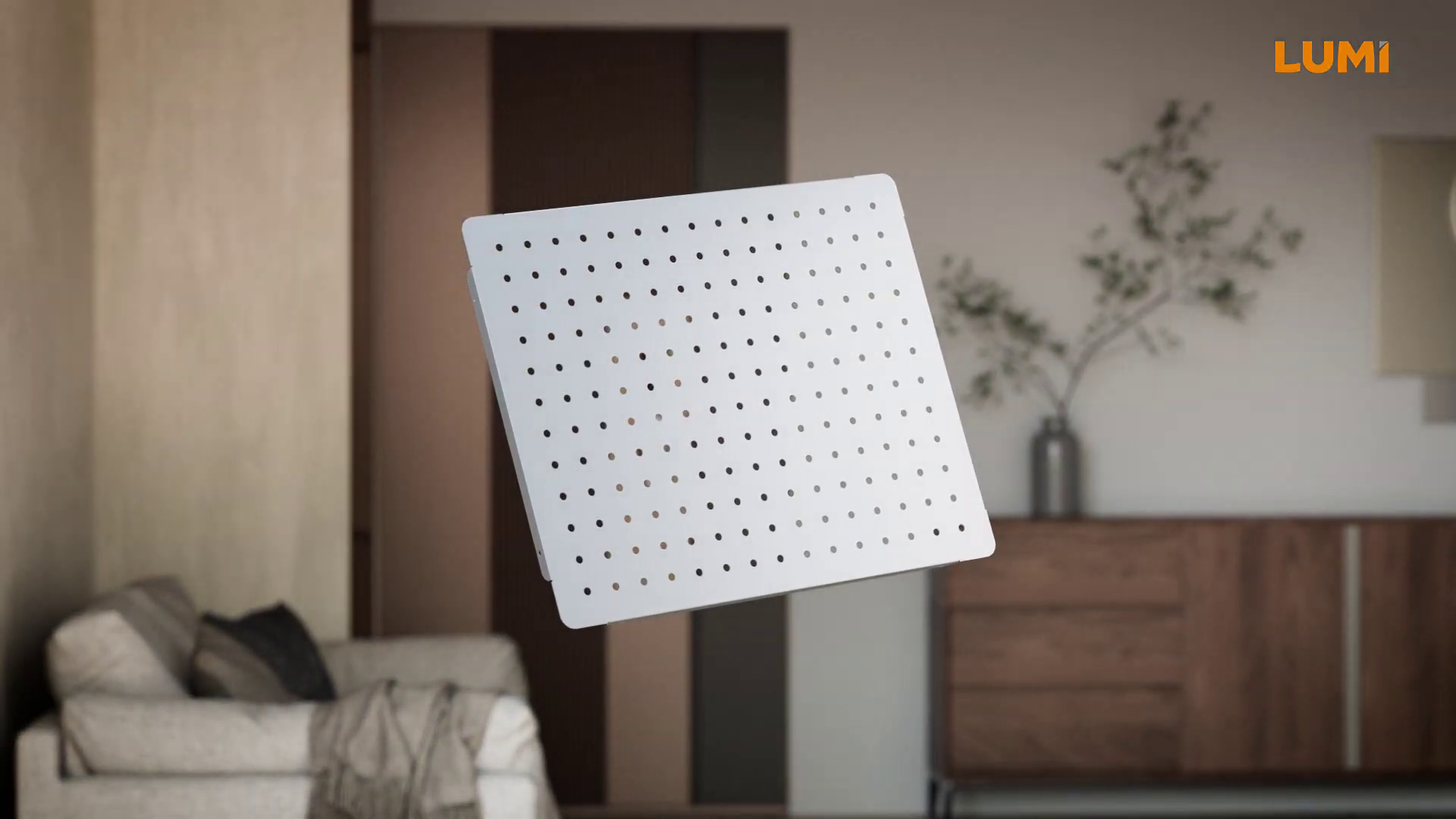 |
00:02 | Shows the isolated product with accurate material finishes and shadow play. | Product Asset Section |
2. Architectural Layout and Environmental Storytelling
Goal: To design a cohesive house that contained distinct "biomes" or room styles.
Process: Our art directors developed a floor plan that logically connected a garage, kitchen, living area, and hobby rooms. Each room was treated as a mini-set. For the "Gaming Room," we modeled ergonomic chairs and multiple monitors. For the "Garage," we introduced concrete textures and tool benches.
Feedback Loop: Defining the Vector Aesthetic
Client: "The transition to the garage feels too sudden. The style shift is jarring."
Advids: "We will introduce a 'connector' hallway in the architectural layout to create a spatial buffer, allowing the camera to pan more naturally from the clean kitchen to the industrial garage."
3. The Critical Juncture: Balancing the Isometric Exposure
Challenge: The project required a "Hero Shot"—an isometric view of the entire house with the front wall removed (a cutaway), showing all rooms simultaneously. The lighting challenge was immense: the bright, sunlit kitchen required vastly different exposure settings than the moody, neon-lit gaming room. Rendering them in a single pass resulted in either blown-out highlights or crushed shadows.
R&D and Solution: Advids implemented a Multi-Light Render Strategy.
- We separated the lights for each room into distinct "Render Layers."
- This allowed our compositing team to adjust the intensity of the kitchen sunlight independently of the garage fluorescent strips after the 3D rendering was complete.
- We achieved a perfectly balanced image where every room was visible and well-lit, maintaining the "Dollhouse" aesthetic without compromising individual room atmosphere.
| Serial No. | Image Placeholder | Timestamp | Rationale | Placement |
|---|---|---|---|---|
| 02 | 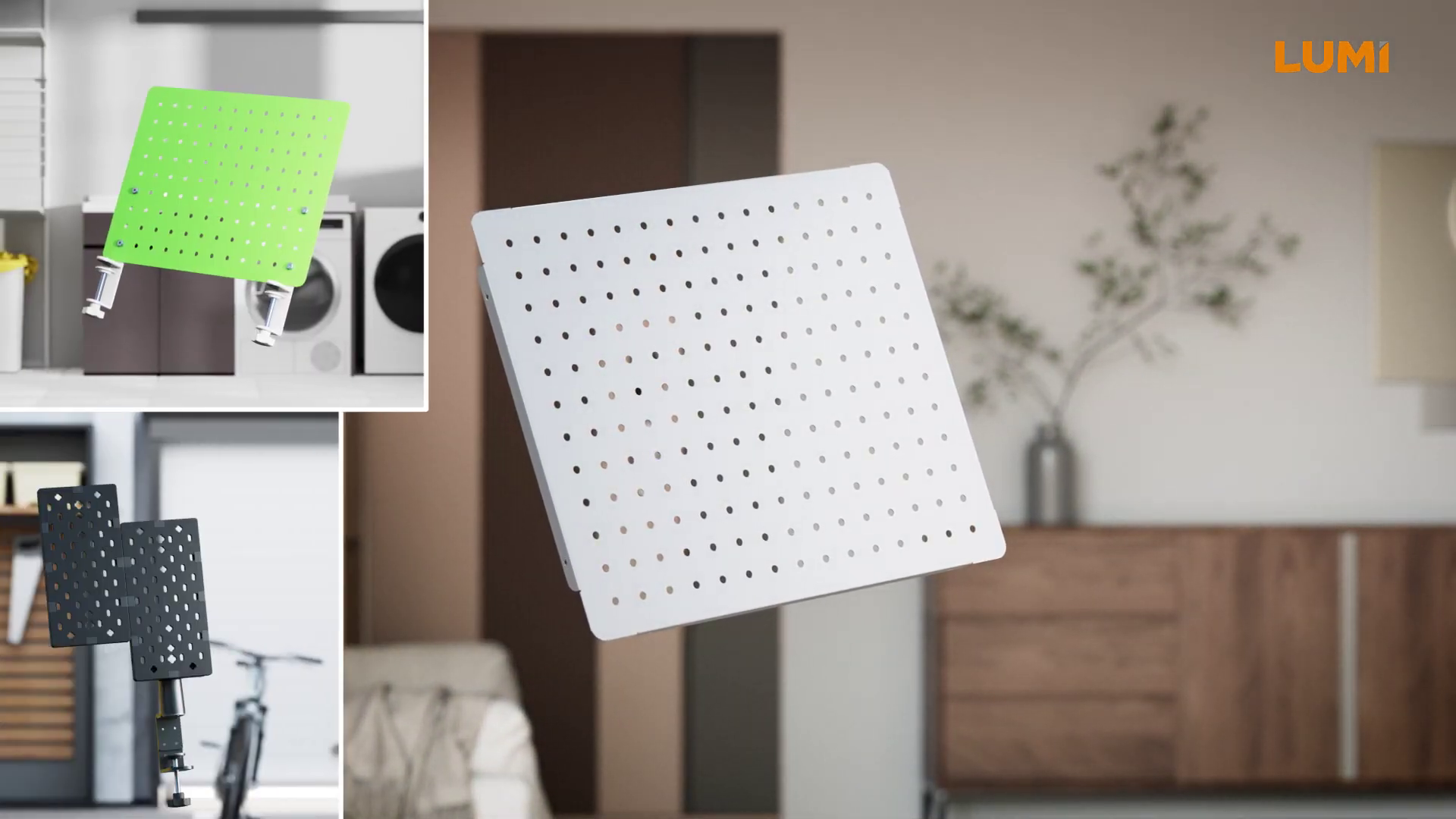 |
00:10 | The isometric "cutaway" view showing multiple rooms with balanced lighting. | Critical Juncture Section |
4. Texturing and Material Fidelity (Physically Based Rendering)
Goal: To achieve absolute photorealism so the viewer forgets they are watching Computer-Generated Imagery.
Process: Advids utilized Physically Based Rendering (PBR) workflows. This involves defining how light interacts with surfaces—specifically "Roughness," "Metalness," and "Specular" maps.
Action: For the kitchen scene, we ensured the marble countertop had the correct reflective gloss, contrasting with the matte paint of the pegboard. In the garage, we added subtle imperfections and grime maps to the floor to ground the visual in reality.
Feedback Loop: Refining the Materiality
Advids: "We've uploaded
Kitchen_Render_Test_v04to Vimeo Review. Please check the reflection on the black pegboard accessories."Client: "The black accessories look a bit too plastic. Can they look more like anodized metal?"
Advids: "Understood. We will adjust the IOR (Index of Refraction) and reduce the roughness value to simulate the anodized metal sheen."
| Serial No. | Image Placeholder | Timestamp | Rationale | Placement |
|---|---|---|---|---|
| 03 | 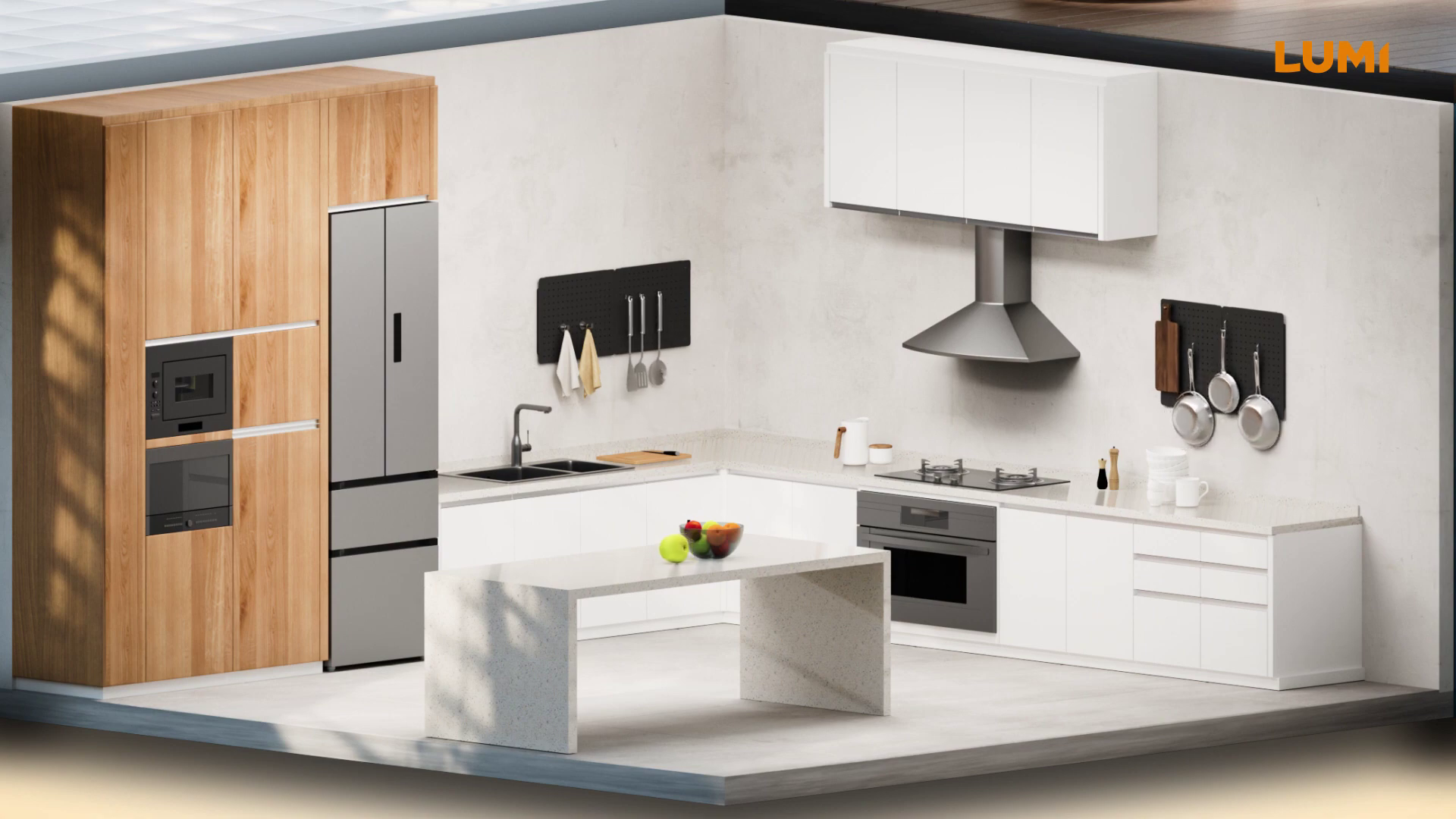 |
00:16 | Close-up in the kitchen showing texture contrast between marble and metal. | Texturing Section |
| 04 | [IMG ASSET 4] | 00:18 | Garage environment showing distinct industrial lighting and concrete textures. | Texturing Section |
Synergy Analysis: Human Expertise vs. Technology
This project exemplified the power of combining high-end rendering technology with architectural design expertise.
- Technology: Enabled the calculation of millions of light bounces (Global Illumination) and the handling of massive geometry datasets for the house model.
- Human Expertise: The Advids creative team understood interior design principles. It wasn't enough to just model a room; our artists understood how to "dress" a room to tell a story about the person living there—from the placement of a headphones stand in the gaming room to the hanging tools in the garage.
Outcomes and Strategic Learnings
The final video provided the client with a versatile asset that could be sliced into shorter clips for social media or used as a comprehensive loop for trade shows.
- Cost Efficiency: By choosing 3D visualization, the client saved an estimated 40% compared to renting five separate studio locations and hiring a physical set dressing crew.
- Asset Reusability: The 3D house model is now a permanent asset. For next year's product launch, Advids can simply swap the props and re-render, reducing future production time by half.
- Visual Consistency: The brand now has a consistent "virtual home" that serves as the backdrop for all their marketing, strengthening brand identity.
Would you like me to develop a production budget breakdown for a similar 3D architectural visualization project?
Final Video
Author & Editor Bio