
Executive Summary
In the precision-driven world of industrial automation, "hygienic design" is not just a buzzword—it is a critical engineering requirement. JUMO, a global leader in sensor technology, needed to showcase their PEKA process connection adapter system. The challenge was to demonstrate the internal integrity of the sealing system and the modular flexibility of the adapters without relying on physical cross-sections or static photography. Advids delivered a photorealistic 3D product demonstration that peels back the layers of steel to reveal the engineering brilliance within.
The Client Challenge: The Complexity of Invisible Connections
JUMO faced a common hurdle in hardware marketing: the most important features of their product were hidden. The "PEKA" system relies on a specific compression method of O-rings to ensure no bacteria can accumulate in the connection points. Traditional video production could not capture the internal mechanics of the seal without destroying the product. Furthermore, the system includes numerous adapters (VARIVENT, Clamp, Aseptic), making a physical shoot logistically complex and visually cluttered. They needed a solution that was clean, precise, and infinitely adaptable.
The Advids Solution: Precision 3D Visualization
Advids deployed the Advids Precision Visualization Workflow, utilizing high-fidelity 3D animation to create a "virtual studio" environment. By converting JUMO’s engineering data into render-ready assets, we created a digital twin of the PEKA system. This allowed us to:
- Visualize the Invisible: Use animated cross-sections to show the O-ring compression.
- Demonstrate Modularity: Seamlessly swap adapters and sensors in the same scene to show universal compatibility.
- Ensure Consistency: Maintain perfect lighting and material consistency across the entire product family.
Client Profile
- Client: JUMO
- Industry: Industrial Sensor Technology & Automation
- Focus: Measurement, control, and automation technology for hygienic applications.
Objective
To create a high-end product demonstration video that visually validates the hygienic certification (EHEDG) of the PEKA system and educates engineers on its modular installation process.
The Advids Precision Visualization Workflow
Our approach was grounded in engineering accuracy combined with cinematic lighting techniques.
1. Data Ingestion & Optimization (Tessellation)
2. Previsualization (Animatics)
3. Look Development (Physically Based Rendering)
4. Technical Animation & Simulation
5. Lighting & Virtual Photography
6. Rendering & Compositing
Project at a Glance
| Category | Details |
|---|---|
| Project Type | Hardware product demonstration video (3D Technical Animation) |
| Core Technology | 3D Animation, Physically Based Rendering (PBR) |
| Primary Deliverable | 60-Second High-Definition Product Video |
| Project Duration | 8 Weeks |
| Collaboration Stack | Slack (Real-time Communication), Google Drive (Asset Management), Vimeo Review (Video Feedback) |
Project Timeline: From CAD to Cinema
- Week 1: Engineering Data Analysis
- Milestone: Receipt of
JUMO_PEKA_Assembly_Master_v04.stepfiles. - Action: Advids technical artists optimized the dense Computer-Aided Design data, retopologizing screw threads for smooth rendering.
- Milestone: Receipt of
- Week 2: Visual Strategy & Previsualization
- Output:
Animatic_Sequence_01_Assembly_Flow.mp4. - Focus: Blocking out the camera movements to ensure the focus remains on the "process connection" points.
- Output:
- Week 3-4: Look Development (The Material Phase)
- Action: Creating the "Hygienic Steel" shader.
- Artifact:
Shader_Steel_Anisotropic_v02.c4d. - Quote: "The steel needs to look brushed but not rough. It must imply sterility." – Advids Art Director.
- Week 5: Technical Animation & The Critical Juncture
- Focus: Animating the screwing mechanisms and the cross-section reveal.
- Challenge: Ensuring the thread pitch in the animation matched the visual rotation speed.
- Week 6: Rendering & Lighting
- Action: Setting up Image-Based Lighting (IBL) to create clean, studio-grade reflections.
- Week 7: Compositing & Labeling
- Output:
Composite_v03_with_Labels.aep. - Action: Integrating 2D vector text labels ("T-piece", "Blind plug") into the 3D space.
- Output:
- Week 8: Final Mastering
- Output:
JUMO_PEKA_Final_Master_1080p.mp4.
- Output:
The Production Deep Dive
Ingesting the Engineering Reality
Goal: Translate heavy manufacturing data into workable 3D geometry.
Process: The raw files provided by JUMO were highly detailed, containing internal screws and washers not visible to the camera. Advids utilized tessellation algorithms to reduce the polygon count of unseen internal parts while increasing the density of the visible "exterior" surfaces.
Action: We created a proxy model system (Proxy_PEKA_LowRes.obj) to allow our animators to work in real-time without viewport lag, swapping them for high-resolution models only at render time.
Defining the Hygienic Aesthetic
Goal: Create materials that accurately represent 316L Stainless Steel and EPDM rubber.
Process: Using Physically Based Rendering, Advids developed a custom material library. The steel shader required a specific anisotropy map (Map_Anisotropy_Radial_v4.png) to simulate the radial brushing on the adapter faces.
Communication Highlight: Feedback Loop - The Blue Hue
- Client: "The blue background in
Style_Frame_Set_B_v2.pngis too saturated. It is overpowering the product's subtle steel tones." - Advids: "We agree. We have adjusted the background to a desaturated, high-key cool grey with a subtle vignette in
Style_Frame_Set_B_v3.png. This draws the eye back to the product."
!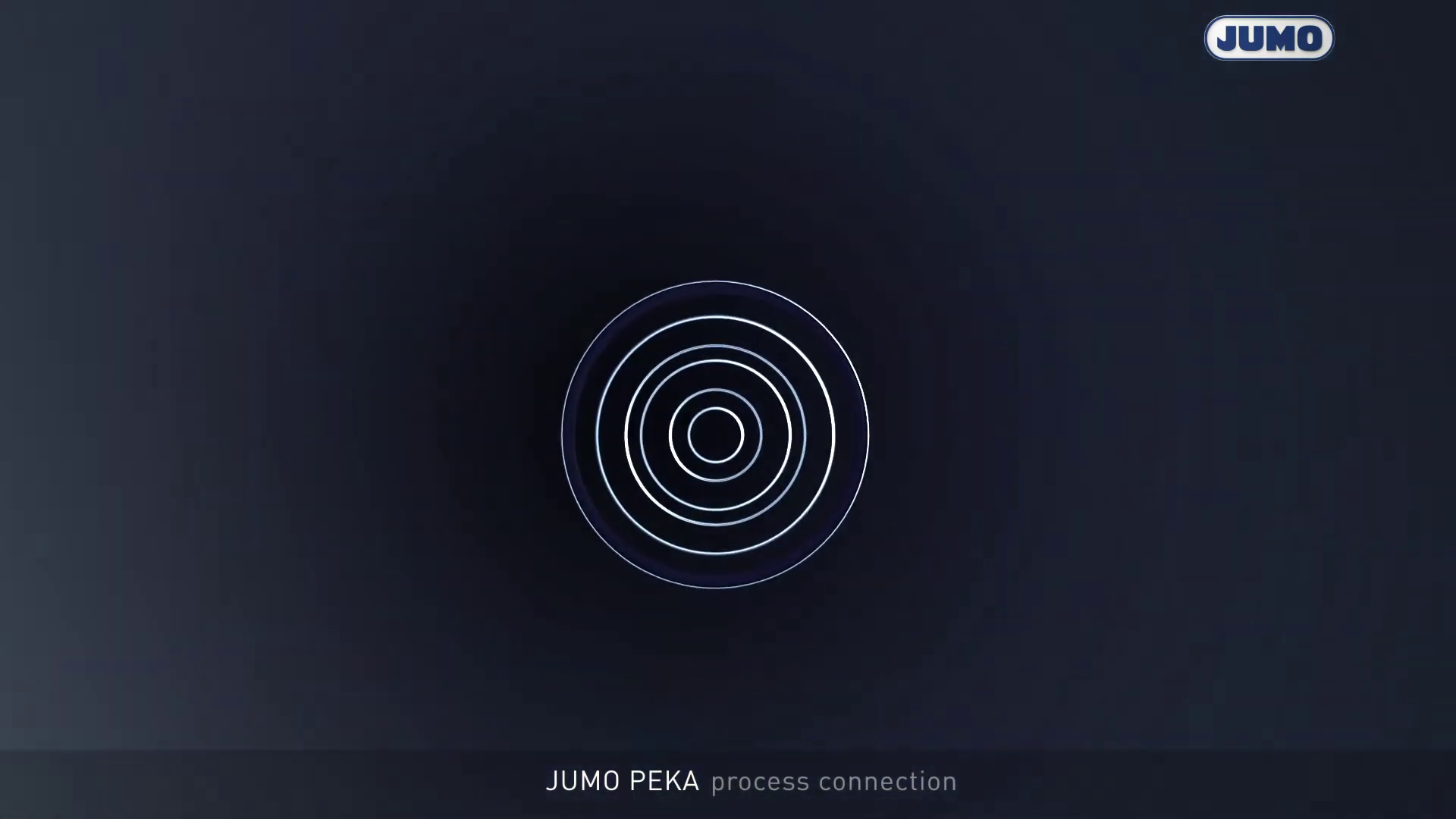
Visualization of the Welding Socket and Blind Plug rings (00:46), showcasing the precise texture work on the concentric metal rings.
The Critical Juncture: The "Invisible Seal" Paradox
Challenge: The defining feature of the PEKA system is the internal seal, which prevents bacterial growth. However, visualizing a black rubber ring inside a steel tube is visually difficult. A standard "X-ray" shader often makes the object look ghostly or confusing.
Solution: Advids implemented a dynamic Boolean Cutaway technique. Instead of making the steel transparent, we animated a "slice" through the geometry. This allowed us to treat the cut surfaces as solid steel (showing wall thickness) while revealing the uncompressed and compressed states of the O-ring.
Outcome: The sequence at 00:19 perfectly illustrates the sealing integrity without compromising the solid, industrial feel of the product.
!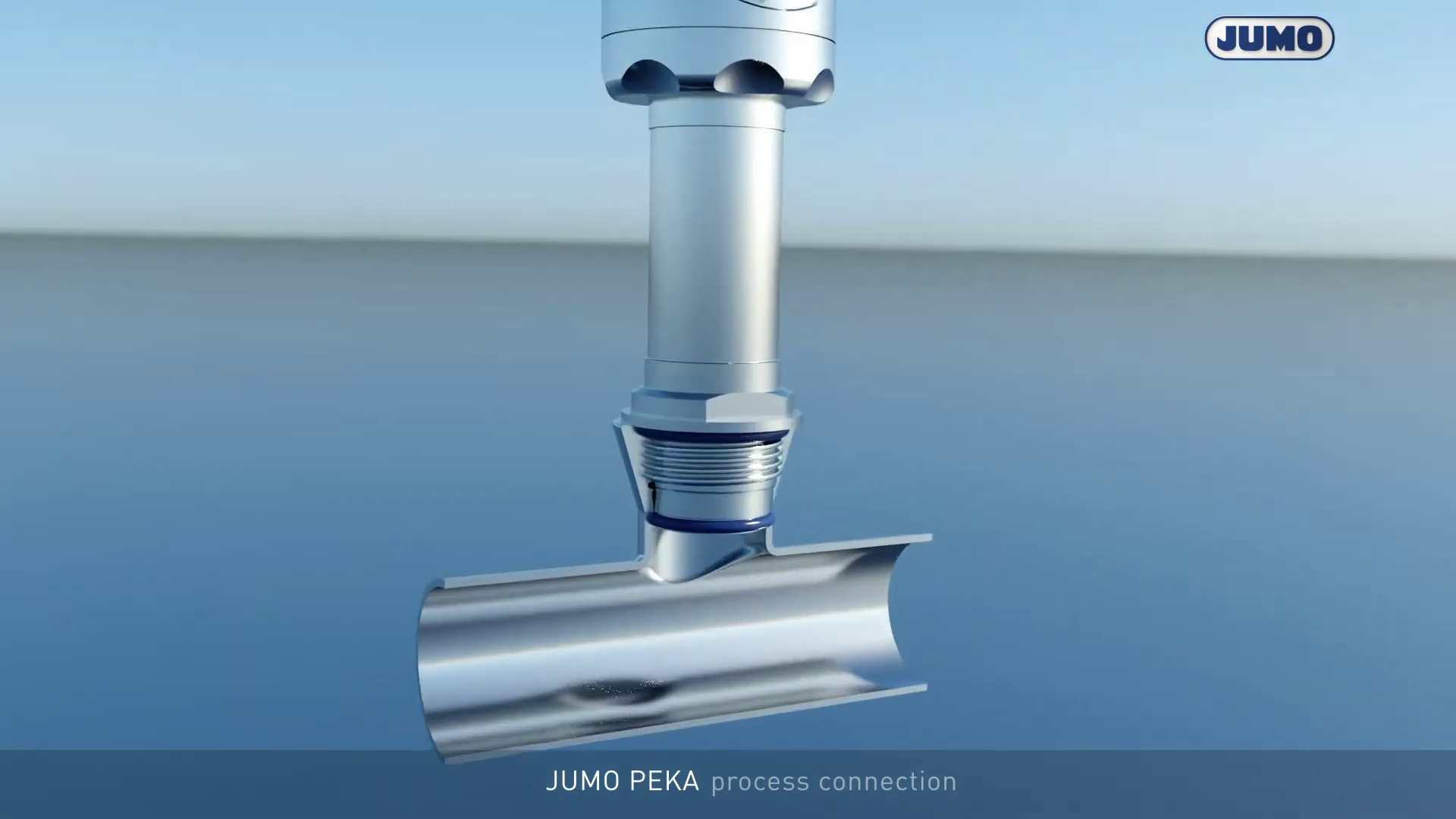
Cross-section view revealing the internal O-ring seal integrity (00:19). This moment required the Boolean Cutaway technique to visualize the internal fit.
Animating Mechanical Precision
Goal: Demonstrate the ease of assembly.
Process: The animation needed to feel "weighted." Objects shouldn't just fly into place; they need to screw in with friction and inertia. Advids animators used precise rotational keyframes matched to the thread pitch of the 3D models.
Communication Highlight: Feedback Loop - The Rotation Physics
- Client: "In
Animatic_v2.mp4, the adapter clamp spins too freely. It looks loose." - Advids: "We have added an interpolation curve to the rotation in
Animatic_v3.mp4. It now slows down as it tightens, visually suggesting the compression of the seal."
!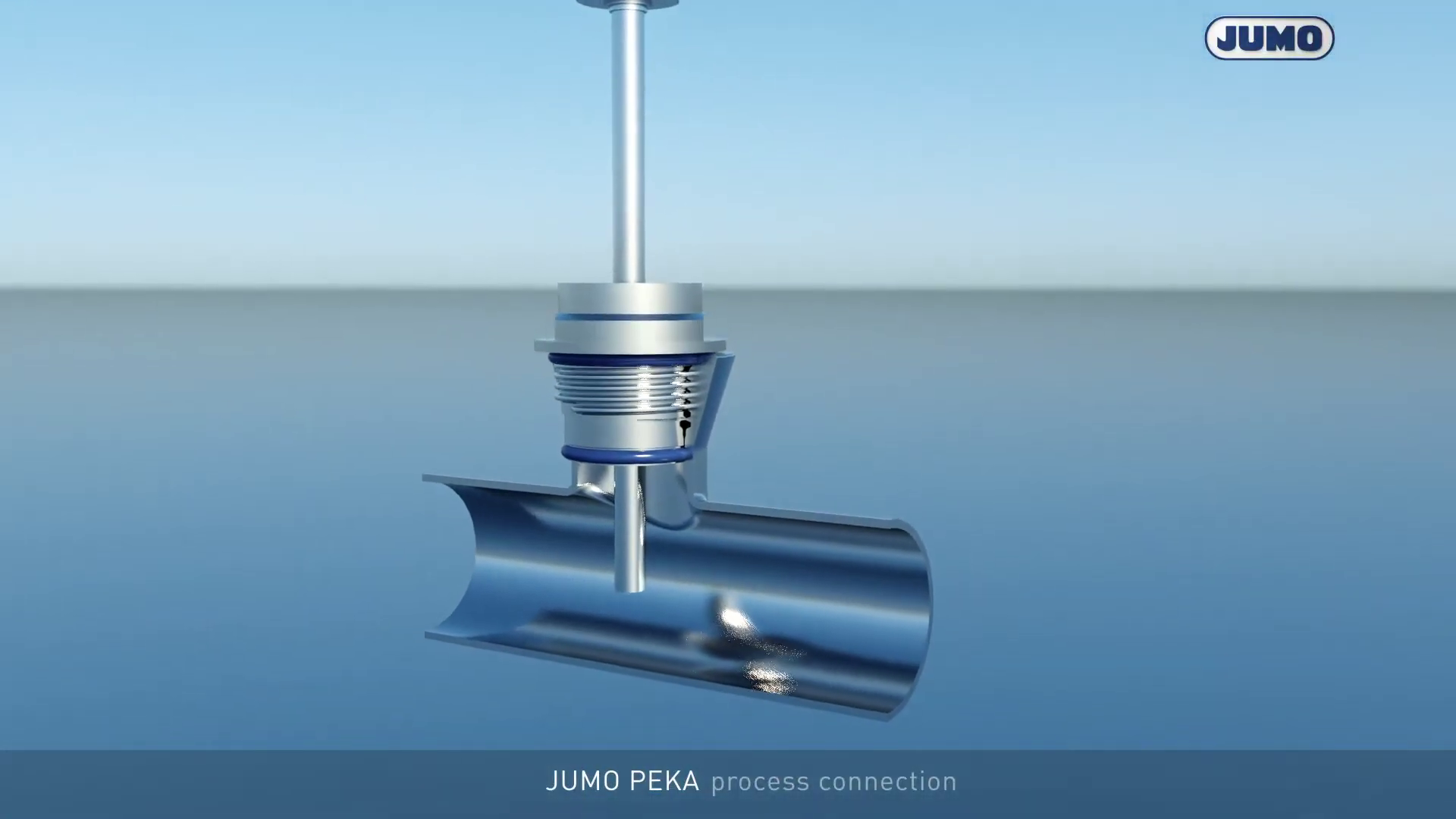
Detailed assembly animation of the Adapter Clamp (00:26), demonstrating the weighted rotation and locking mechanism.
Synergy Analysis: Human Expertise vs. Technical Power
| Technical Power (The Tools) | Human Expertise (The Advids Touch) |
|---|---|
| Global Illumination Rendering: Calculates millions of light bounces for realism. | Lighting Strategy: The Advids lighting artist positioned "blocker" cards to create high-contrast reflections that define the shape of the polished steel, ensuring it didn't look flat. |
| Boolean Operations: Mathematically slicing 3D geometry. | Visual Storytelling: The Advids creative director timed the slice to happen exactly when the narrator (or text) explains the sealing concept, ensuring cognitive alignment. |
| Physics Simulation: calculating collision detection. | Animation Nuance: Manually adjusting the easing curves to make the mechanical parts feel heavy and premium, rather than weightless digital objects. |
Outcomes & Strategic Learnings
The final video asset provided JUMO with a versatile tool that transcends language barriers. By relying on visual clarity rather than heavy voiceover, the video can be deployed globally.
- Visual Consistency: The "virtual photography" approach established a benchmark look for future JUMO hardware videos.
- Sales Enablement: The video successfully explained the compatibility of the "VARIVENT" and "Clamp" adapters in under 60 seconds, a task that previously required lengthy technical manuals.
- Asset Reusability: The high-resolution 3D assets created by Advids (
JUMO_PEKA_Asset_Lib_Final.lib4d) were subsequently used by JUMO for high-resolution print marketing, maximizing the ROI of the production.
![IMG ASSET 4]
Final group shot of the sensor family (01:02), proving the modularity of the system using the assets created during the project.
Next Step for You: Would you like to explore how we can adapt this "Boolean Cutaway" technique to visualize the internal electronics of your own hardware products?
Final Video
Author & Editor Bio