





Tango
Tango's video was built to visually prove the immediate financial and temporal ROI of their workplace management platform. Enterprise leaders must manage complex hybrid environments where space utilization often remains a fragmented black box. Failure to synchronize resource allocation leads to massive real estate waste and inefficient employee experiences that degrade overall productivity. Our team focused on highlighting how unified data prevents these costly operational gaps.
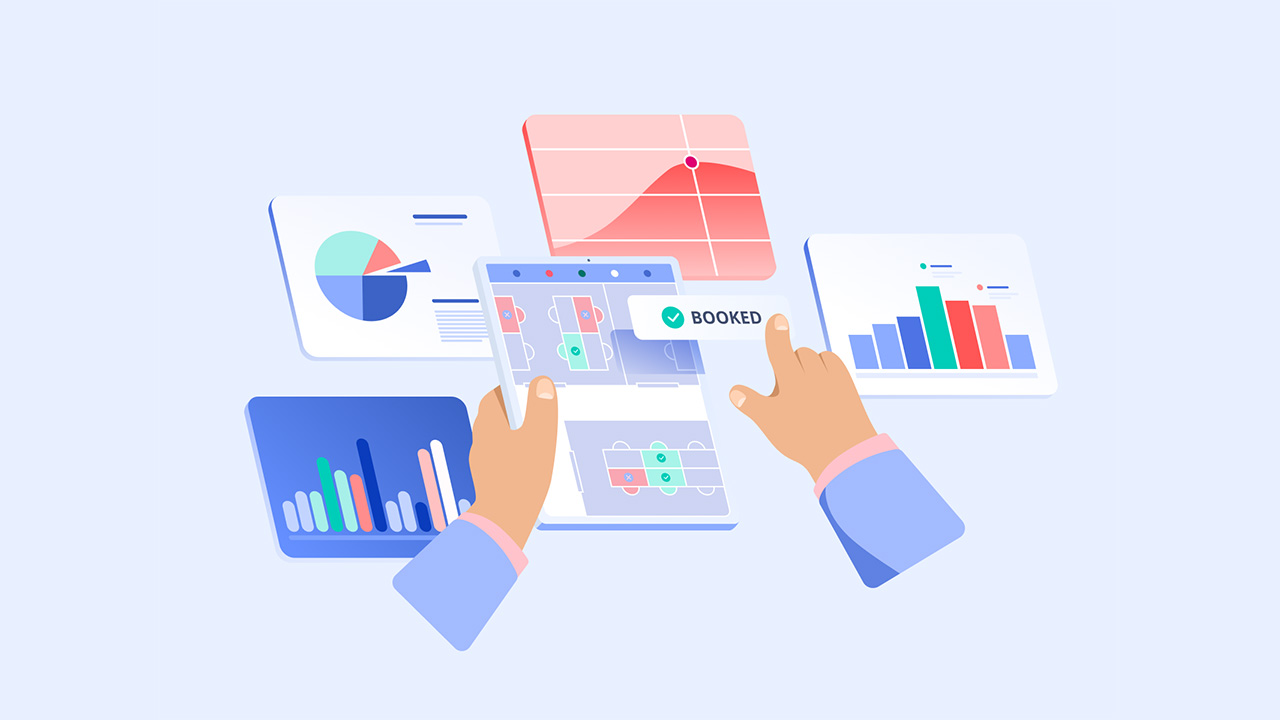
Our design team prioritized a clean, structured flat aesthetic to simplify the logistical layers of modern corporate environments. This hybrid work software preview utilizes stylized building exteriors and internal floor plan visualizations to anchor the technology in a physical reality. We framed the interface designs within mobile and tablet shells to demonstrate the platform's accessibility across the campus. These visual choices translate complex spatial data into intuitive UI elements so that Facility Managers immediately grasp the value of real-time occupancy monitoring.
The motion strategy utilizes crisp, rhythmic transitions and puzzle-piece metaphors to represent the alignment of personnel and office resources. Structuring this enterprise platform introduction around a high-contrast composition with ample whitespace significantly reduces cognitive load and prevents viewer fatigue. This balanced aesthetic allows the viewer to focus on the modular benefits of the system without being overwhelmed by technical density. The authoritative tone maintained throughout by Advids definitively drives the final call to action and establishes the brand as a leader in workplace innovation.