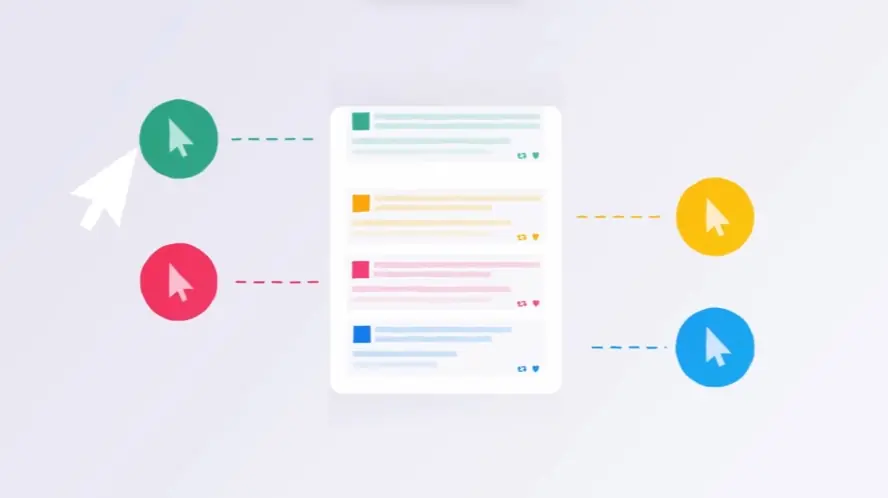
This automated investment app 3D demo masterfully demystifies passive wealth growth, establishing baraka's "Auto-Invest" as a simple, empowering solution. The video uniquely personifies automation through a photorealistic robotic arm, visually guiding users through the seamless, three-step setup process within a high-fidelity digital interface, inspiring immediate confidence.
Why It Stands Out:
Robotic Precision Meets Digital Investment: barakas unique animation features a sleek robotic arm that flawlessly synchronizes with the app's UI, physically demonstrating each step of automated investment. This tangible interaction transforms an abstract concept into a clear, trustworthy, and error-free process, directly engaging hesitant investors.
Three Steps to Effortless Auto-Invest: The video breaks down the entire Auto-Invest setup into a logical, numbered sequence. Each step is conveyed with concise on-screen text and direct visual cues, making baraka's investment process exceptionally easy to follow and enabling users to confidently set up their passive income strategy.
* A Polished Aesthetic for Financial Trust: Presented in a clean, minimalist environment with baraka's signature green accents, the high-quality 3D rendering and fluid animation convey a sense of modern efficiency and reliability. This sophisticated production value enhances brand credibility, positioning baraka as a trustworthy leader in financial technology.
2. SMC 3D industrial animation tutorial video
Get pricing of the video
PT31S
Duration : 3 minutes and 14 seconds
SMCs IO-Link industrial automation solutions video illuminates how integrated intelligence drives operational excellence across diverse sectors. It meticulously demonstrates how advanced sensor and actuator technology, coupled with seamless data exchange, streamlines complex processes, enhances monitoring, and reduces costs in real-world industrial environments.
Why It Stands Out:
Seamless Data Flow: Bridging Industrial Intelligence: The animation masterfully visualizes the invisible, depicting binary data streams flowing through and connecting various SMC IO-Link compatible products. This abstract visualization makes the concept of increased data availability and intelligent connectivity concrete, showcasing how every component contributes to a smarter, more responsive automation ecosystem.
Precision Control: Mastering Every Metric Remotely: Through vivid 3D simulations of paper, beverage, and automotive manufacturing, the video demonstrates SMC's IO-Link products achieving unparalleled precision. From remote tension control and proactive humidity checks to static electricity removal and real-time flow/temperature measurements, it establishes how detailed monitoring directly translates to improved operational efficiency (OEE) and minimized costs.
* Multi-Industry Impact: Revolutionizing Automation: SMC strategically showcases its IO-Link solutions across four distinct industries€”paper, beverage, automotive, and machining€”highlighting the universal applicability and adaptability of the technology. Each segment provides practical examples, like wireless control for robotic arms or automatic flow rate adjustment, solidifying SMC's expertise as a comprehensive partner for diverse industrial automation challenges.
3. Staubber 3D process animation video
Get pricing of the video
PT31S
Duration : 37 seconds
Clear acrylic furniture assembly animation by Staubber masterfully demonstrates how elegant, contemporary design meets unparalleled ease of use. Through meticulous 3D visualization and procedural animation, it strips away assembly complexity, showcasing an innovative, tool-free interlocking system for modern home furnishings, proving sophisticated aesthetics are effortlessly accessible.
Why It Stands Out:
Animated Simplicity: Unveiling Tool-Free Assembly The Staubber animation employs precise CGI and 'ghosting' effects to render transparent interlocking components, providing undeniable visual proof that this furniture requires no tools. This procedural disassembly and rapid reassembly sequence transforms a common consumer pain point into a distinct Staubber advantage.
Transparent Elegance: A Versatile Modern Collection Staubber's diverse range of clear acrylic coffee tables, side tables, consoles, desks, and bookshelves are presented within aspirational, minimalist home settings. Exquisite photorealistic rendering highlights their transparent design, showcasing how each versatile piece seamlessly enhances modern interiors without introducing visual clutter.
* Design with Confidence: Visualizing Effortless Home Solutions By showcasing intuitive assembly and integrating elegant final products into relatable, styled home environments, the video builds immediate viewer trust. Viewers are assured of both the aesthetic quality and the practical, user-friendly nature of Staubber's innovative home solutions, empowering confident purchase decisions.
4. microflex 3D process simulation video
Get pricing of the video
PT31S
Duration : 33 seconds
An automated lab diagnostic system 3D animation, the microflex process simulation video masterfully demonstrates how BD's innovative technology achieves unparalleled precision and efficiency in high-throughput diagnostic analysis. Through meticulous visual storytelling, it unveils the intricate dance of robotics, micro-liquid handling, and advanced molecular mechanisms, transforming complex scientific workflows into a clear, compelling narrative of automation excellence.
Why It Stands Out:
Automated Precision in Motion Robotic Dexterity The animation showcases the microflex system's seamless, robotic liquid handling with impeccable kinematic precision. This meticulous choreography of automated processes, from sample intake to precise dispensing, visually reinforces the system's ability to minimize human error and ensure consistent, high-fidelity operations in advanced diagnostics.
Beyond the Surface Revealing Diagnostic Mechanisms Utilizing ingenious "ghosting" effects, the video offers an internal view of the BD microflex system, demystifying complex molecular diagnostic mechanisms like MALDI-TOF spectroscopic analysis. This visual transparency transforms abstract scientific processes into digestible, concrete steps, clearly illustrating how samples are processed and translated into actionable diagnostic data.
Streamlined Workflow The Future of Lab Efficiency** Presenting a continuous, integrated journey from sample preparation to result generation, the animation highlights the microflex system's transformative impact on laboratory throughput. This streamlined visual narrative emphasizes operational efficiency, positioning the BD microflex as a cutting-edge solution designed to accelerate diagnostic processes and meet the demands of modern medical technology.
5. Aggreko 3D assembly animation video
Get pricing of the video
PT31S
Duration : 1 minute and 12 seconds
This modular data center power animation from Aggreko masterfully illustrates how their scalable solutions bridge critical energy gaps for remote infrastructure. Utilizing a brilliant Lego-style metaphor, the video deconstructs complex power generation and storage into intuitive, buildable units, showcasing flexible deployment for "always-on" operation from day one.
Why It Stands Out:
Lego-Style Modularity: Building Power Solutions Brick by Brick: Aggreko brilliantly uses the universally understood Lego analogy to simplify complex power infrastructure. Advanced procedural animation shows generation units, battery storage, and renewables seamlessly snapping together, making Aggreko's highly customizable, rapidly deployable solutions tangible and easy to grasp.
Dynamic Energy Mix: Adapting Power to Data Center Demands: The video clearly illustrates Aggrekos flexible energy approach. It demonstrates how traditional fuels (diesel, gas, HVO) integrate with battery storage and renewables. This dynamic mix ensures a scalable, adaptable power supply, precisely matching demand for "always-on" data center operations.
* Beyond the Grid: Aggreko's Robust Temporary Power Ecosystem: Aggreko strategically positions itself as the solution for remote and off-grid data centers. The animation depicts a comprehensive ecosystem, from initial construction power to full operational capacity. This robust, temporary power station offers a reliable, sustainable alternative where grid infrastructure is unavailable.
6. INTERWOOD 3D facility animation video
Get pricing of the video
PT31S
Duration : 59 seconds
INTERWOOD 3D modern office furniture animation for its Ariel range masterfully unveils a suite of adaptable and aesthetically refined workspace solutions. Through meticulous feature spotlights and dynamic configuration displays, it compellingly illustrates how thoughtful design, integrated functionality, and modularity coalesce to define the modern-day office environment.
Why It Stands Out:
Unpacking Ariel's Thoughtful Design Details: The animation meticulously highlights INTERWOODs commitment to quality by showcasing specific features like white powder-coated angular aluminum legs, built-in storage, and an antibacterial top surface. On-screen text overlays precisely label each component, guiding the viewer through the Ariel ranges intelligent design elements with exceptional clarity.
Transforming Spaces with Ariel's Modularity: The video dynamically demonstrates the Ariel range's inherent flexibility, transitioning seamlessly between linear, grid, and Y-3 workstation configurations. This visual progression effectively communicates how INTERWOOD's furniture adapts to diverse team structures and space requirements, offering versatile solutions for evolving office layouts.
* INTERWOOD's Vision for the Modern Workspace: Beyond individual features, the animation presents a holistic vision, emphasizing integrated cable management solutions and a sleek, minimalist aesthetic. It positions the INTERWOOD Ariel range as a comprehensive solution for creating highly organized, efficient, and visually appealing workspaces tailored for contemporary business needs.
7. CKP-Series 3D factory animation video
Get pricing of the video
PT31S
Duration : 1 minute and 15 seconds
Customizable industrial keypad animation for the CKP-Series brilliantly articulates its value through a blend of technical precision and strategic communication. This 3D product visualization by Carling Technologies strategically leverages photorealistic rendering and comparative demonstrations to reveal how its advanced design offers superior performance, durability, and simplified integration over traditional switches.
Why It Stands Out:
Dynamic Visuals Showcase Extensive Customization: The Carling Technologies animation masters product versatility, dynamically displaying the CKP-Series' vast customization. It highlights over 200 laser-etched legends, up to three dimmable LED function lights (Green, Red, Amber, Blue), and multiple size configurations. This visual clarity ensures immediate comprehension of the keypads adaptability for diverse applications.
Streamlined Integration & Operational Superiority: The video strategically highlights the CKP-Series' superior integration through a powerful side-by-side comparison. It contrasts the complex, multi-wire harness of traditional electromechanical switches with the keypad's simplified single-connector wiring, controlling up to 12 functions. This visually undeniable proof of reduced wiring directly conveys enhanced operational efficiency and cost savings.
* Visual Proof of Next-Gen Engineering: Building trust through transparency, this animation showcases the CKP-Series' robust engineering. It highlights critical features: IP6k9k sealing protection, a low-profile design, and SAE J1939 CAN compliance. Visual emphasis on durable construction and advanced diagnostic feedback (indicating 1 million actuation cycles) firmly positions the Carling Technologies CKP-Series as a reliable, high-end industrial control interface.
8. EMERSON 3D industrial animation overview video
Get pricing of the video
PT31S
Duration : 3 minutes and 10 seconds
3D biomethane injection skid animations like EMERSON's expertly transform complex industrial blueprints into crystal-clear demonstrations of integrated solutions. This video deconstructs the comprehensive biomethane injection skid, progressively highlighting its advanced components to articulate EMERSON's commitment to fully integrated, turn-key systems that address critical RNG industry challenges with proven reliability and configurability.
Why It Stands Out:
Architecting Clarity: Unveiling Emerson's Integrated Biomethane Skid. The animation strategically begins with a monochrome wireframe overview of an entire facility, then zooms to illuminate EMERSON's compact biomethane injection skid in vibrant yellow. This procedural highlighting visually unifies the system, making its "fully integrated, turn-key" nature immediately understandable, supported by concise, synchronized on-screen text.
Operational Blueprint: Pinpointing Advanced RNG Componentry. Each critical section of the skid, from gas analysis featuring the Rosemount„¢ 700XA Gas Chromatograph and CT5800 Continuous Gas Analyzer, to controls and odorization with the ROC800 controller and DO200 odorizer, is dynamically revealed. This precise focus on individual EMERSON components, like Fisher„¢ EZL Pressure Regulators and Micro Motion„¢ Coriolis flow meters, clearly details their function and contribution to efficient, compliant RNG injection.
End-to-End Confidence: Emerson's Proven Turn-Key Solution. The video builds trust by showcasing how EMERSON meticulously integrates each critical skid component, ensuring injected gas meets stringent grid quality and safety specifications. By emphasizing local engineering, fabrication, commissioning, and lifecycle support, the animation positions EMERSON as a comprehensive and trustworthy partner, optimizing design solutions for shorter delivery timelines and delivering complete operational assurance.
9. Virtana 3D process animation walkthrough video
Get pricing of the video
PT31S
Duration : 1 minute and 40 seconds
Mission-critical IT infrastructure performance is meticulously addressed in Virtana's 3D process animation, which transforms the daunting complexity of hybrid data center management from reactive guesswork to proactive, precise, and guaranteed operational excellence. This compelling visual narrative leverages advanced CGI and clear analogies to position Virtual Wisdom as the essential "IT GPS" for securing national and enterprise assets.
Why It Stands Out:
Navigating Criticality: From Guesswork to IT GPS: The animation opens with powerful imagery of critical national infrastructure, immediately establishing the high stakes for system performance. It then brilliantly uses the "compass versus GPS" analogy to highlight the inadequacy of conventional data collection and correlation, powerfully framing Virtanas Virtual Wisdom as the precise directional solution for today's complex hybrid data centers.
Precision-Guided Proactive Performance: Through sophisticated 3D visualization, the video showcases Virtual Wisdom's ability to discover exact infrastructure problem locations within a dynamic, real-time environment. This applied analytics interface offers full visibility and diagnostic precision, effectively transforming reactive IT into a proactive, optimized system that guarantees performance and maximizes availability for mission-critical applications.
* Safeguarding National Operations with Guaranteed Availability: The production reinforces Virtana's commitment to national security and economic stability by connecting robust infrastructure to vital government and armed forces applications. The high-end, authoritative presentation and clear articulation of guaranteed performance, maximized availability, and optimized costs build profound trust, affirming that Virtana equips clients to stay ahead in protecting their most crucial operations.
10. Amazfit 3D manufacturing animation video
Get pricing of the video
PT31S
Duration : 37 seconds
3D smartwatch feature animation for the Amazfit Bip 3 Pro orchestrates a dynamic narrative of empowerment, meticulously showcasing how comprehensive health monitoring, robust design, and personalized style integrate into an accessible, long-lasting smartwatch. Through photorealistic rendering and intuitive UI animations, the video visually deconstructs its advanced capabilities, inviting users to "Think Big, Think Bip."
Why It Stands Out:
Animated Brilliance: Showcasing Core Features The Amazfit Bip 3 Pro's key attributes are brought to life with high-fidelity 3D product rendering, highlighting its expansive 1.69" display and demonstrating its impressive "Up to 2 Weeks' Battery Life" through sleek, dynamic visuals. The seamless screen transitions and CGI water simulations for 5 ATM resistance provide undeniable visual proof of durability and premium craftsmanship.
Empowering Health & Action Through Intuitive UI This Amazfit animation strategically employs clear on-screen text and intuitive graphical representations to communicate extensive health features like heart rate, blood oxygen, and sleep tracking. The dynamic display of 60+ Sports Modes and 4 Satellite Positioning Systems demonstrates the smartwatch's comprehensive fitness capabilities, empowering users with actionable data for an active lifestyle.
* Super-Slim Design Meets Personal Style The video champions the Amazfit Bip 3 Pro's super-slim body and offers a vibrant showcase of 50+ customizable watch faces, appealing to personal aesthetics. By presenting the smartwatch in diverse, appealing colors with distinct visual transitions, the animation underscores its blend of modern design with robust functionality, allowing users to express themselves while staying connected and healthy.
11. Aqua Security 3D animated walkthrough video
Get pricing of the video
PT31S
Duration : 1 minute and 7 seconds
This 3D cloud security animation for Aqua Security powerfully visualizes its core thesis: security means freedom and acceleration in cloud-native environments. The video orchestrates a dynamic, abstract journey, moving viewers from the fast-paced challenges of modern development to a boundless landscape of secure innovation through compelling visual metaphors and a high-tech aesthetic.
Why It Stands Out:
From Digital Constraints to Open Skies: Aqua Security masterfully guides viewers through a symbolic landscape of neon-lit tunnels and an infinity loop, representing rapid DevOps cycles. The visual progression from initial complexity and potential risk (red elements) to clarity and liberation (blue skies) directly translates the brands promise of unconstrained growth through robust security.
Accelerating Cloud-Native Development: The animation strategically addresses the imperative for speed in software development and delivery. By depicting security as an enabler rather than a barrier, Aqua Security demonstrates how its solutions allow organizations to remain on the cloud-native fast track, achieving agile, scalable operations without compromising safety.
* Visual Metaphors for Strategic Clarity: Eschewing complex narration, the video leverages concise, neon-lit on-screen text and striking visual analogies, such as the hexagonal tunnel opening into a vast expanse. This sophisticated information design ensures Aqua Securitys message €” the freedom to accelerate, run anywhere, and scale freely €” is understood with immediate and profound impact.
12. Kion 3D industrial animation assembly video
Get pricing of the video
PT31S
Duration : 1 minute and 4 seconds
Cloud enablement platform animation, this video for Kion (formerly Cloudtamer.io) demonstrates how it transforms complex cloud governance and management into a streamlined process, fostering true cloud enablement. Through sophisticated abstract 3D visuals and a confident narrative, the video vividly illustrates how Kion empowers organizations to pursue innovation, scale with ease, and increase agility.
Why It Stands Out:
Visually Architecting Cloud Simplicity: Kion's video employs highly effective abstract 3D visuals and seamless morphing animations to deconstruct complex cloud operations. It elegantly combines concepts of governance and management into a single, unified system, visually proving how Kion simplifies intricate technical landscapes into actionable, clear processes.
Empowering Innovation and Agility in the Cloud: The animation strategically shifts focus from merely "taming the cloud" to unlocking its full potential. It clearly articulates Kion's ability to foster innovation, facilitate effortless scaling, and enhance organizational agility, directly addressing key aspirations for future-ready cloud strategies and transforming how users interact with their cloud environment.
* Defining the Next Era of Cloud Enablement: With a polished production, a confident brand voice, and synchronized on-screen text, the video positions Kion as a visionary leader. Its rebranding message from Cloudtamer.io signifies an evolution into an era of comprehensive cloud enablement, establishing Kion as the essential platform for achieving accelerated progress and meaningful work.
13. SCHUNK 3D industrial animation facility video
Get pricing of the video
PT31S
Duration : 1 minute and 29 seconds
Predictive industrial analytics animation, this video for Nalco Waters OMNI Analytics powerfully visualizes the transformation of reactive industrial operations into proactive, efficient systems. It achieves this by deconstructing complex heat exchanger inefficiencies through dynamic CGI, combining real-time digital insights with critical human expertise to predict, prevent, and optimize performance.
Why It Stands Out:
From Reactive Problems to Predictive Power The animation vividly illustrates how heat exchanger inefficiencies lead to significant costs. It then showcases Nalco Water's OMNI Analytics transforming reactive problems (red alerts) into a proactive, optimized state, delivering real-time insights for enhanced management and prevention.
Blending Digital Intelligence with On-Site Expertise OMNI Analytics uniquely integrates two decades of 3D TRASAR„¢ digital insights and 24/7 monitoring with essential on-site expertise. This powerful synergy, highlighted through clear visual metaphors, ensures Nalco Water delivers reliable, high-performing solutions that combine advanced technology with critical human judgment.
* Visualizing Pathways to Operational Efficiency Sophisticated predictive analytics visualization and clean data manipulation tools present complex information via user-friendly dashboard interfaces. This clear information design enables operators to leverage OMNI Analytics for more efficient business operations, minimizing costs and maximizing profitability through readily actionable insights.
It’s crucial to plan ahead when it comes to high-quality video production. Discuss with our team, how you can get visual style, budget, timeline in sync.
What is the primary goal of 3D industrial process animation?
Their core objective is to demystify intricate industrial workflows for everyone involved. Animations go beyond aesthetics, prioritizing clear, concise communication of complex systems to diverse stakeholders. They transform operational opacity into transparent understanding.
How are industrial processes effectively visualized in animation?
Industrial processes gain clarity through animations that weave compelling narratives. These visual stories transform abstract procedures into memorable experiences, ensuring viewers grasp operational logic and flow intuitively.
What design elements enhance 3D industrial process animation?
Functional design elements are paramount, incorporating strategic color palettes to highlight process stages and precise cutaways to reveal internal mechanisms. These choices actively enhance comprehension, not just visual appeal, making information immediately accessible.
What are typical production stages for these animations?
Production thrives on iterative client feedback and deep collaboration. This partnership ensures animations are not just visually impressive but also meticulously accurate, reflecting real world processes and addressing specific communication needs.
How can animation improve industrial marketing strategies?
Animations revolutionize marketing by attracting higher quality leads and accelerating conversions. They vividly showcase complex offerings, engaging prospects and demonstrating value propositions far more effectively than static materials.
What are common use cases for process animations?
Beyond training, animations excel in investor relations, public outreach, and internal alignment. They become versatile communication tools, simplifying complex narratives for diverse audiences from shareholders to the general public.
What are the key benefits of 3D factory animation?
Tangible benefits of factory animations include measurable reductions in downtime and demonstrable improvements in safety protocols. They directly contribute to operational excellence by fostering proactive risk management and efficient workflows.
How do animations aid in understanding complex operations?
Animations unlock understanding by leveraging visual learning, significantly boosting knowledge retention of intricate operations. They translate abstract concepts into concrete visual experiences, catering to how people naturally learn and remember.
What makes an industrial animation truly effective?
A truly effective industrial animation is grounded in technical precision and realistic portrayal of processes. Accuracy builds trust and ensures the animation serves as a reliable representation of actual operations, fostering informed decision making.
How can animation support internal communications?
Animations strengthen internal communication by creating a shared visual language across departments. They bridge communication gaps, ensuring everyone from the shop floor to the boardroom understands complex processes consistently and clearly.
Exploring Different Levels of 3D Industrial Animation Complexity
Exploring Different Levels of 3D Industrial Animation Complexity
Let us explore the fascinating spectrum of complexity within 3D industrial animation. It is not a one size fits all scenario, and understanding these different levels is key to creating truly impactful visuals. Complexity in 3D animation is not a fixed point rather a range that we navigate.
Basic Complexity Core Functionality. At the foundational level animations focus on illustrating the most essential product or process functionality in a straightforward manner. For instance a basic process animation video can effectively illustrate simple operational steps.
Intermediate Complexity Multi Stage Processes. Moving up a level an industrial video animation becomes invaluable for detailing multi stage manufacturing or operational processes clearly showcasing each step and its interrelation.
Advanced Complexity Intricate Systems. When we tackle highly complex systems think intricate machinery or entire plant operations advanced animation becomes essential. Imagine a detailed 3d plant animation video navigating through complex industrial setups.
Technical and Narrative Depth. Complexity is also influenced by visual detail like textures and the depth of the narrative. From simple stories to detailed explorations both contribute to the overall complexity and production effort.
Choosing the right level of complexity is crucial. Whether it is a simple process animation video or a detailed 3d factory animation video, aligning complexity with the video's purpose and target audience ensures effective communication and optimal engagement.
What Industries Benefit Most from Process Animation Examples
Having explored the power of 3D industrial process animations, lets consider where these visual tools truly shine. We find ourselves realizing certain sectors gain an exceptional advantage from their deployment. It's about simplifying complexity, and some industries are inherently more complex than others.
Consider manufacturing. Explaining intricate machinery or a detailed production line becomes instantly clearer with a 3d machine animation video. The automotive sector, with its complex assembly processes, benefits immensely. Imagine showcasing a vehicle assembly line through a dynamic 3d assembly animation video, demystifying each step. Aerospace, energy, and even pharmaceuticals grapple with intricate processes. For pharmaceuticals, a 3d animation process video can meticulously detail drug creation, ensuring clarity and understanding. Even in sectors like oil and gas or logistics, visualizing extraction or warehouse automation through a 3d process animation video brings unparalleled clarity.
Manufacturing: Demystifying complex machinery and production lines.
Aerospace: Demonstrating complex systems and engineering designs.
Pharmaceuticals: Clearly explaining drug manufacturing and biological processes.
Ultimately, any industry dealing with complex processes, intricate machinery, or multi-step operations stands to gain significantly. The ability to visually communicate these complexities is where 3D industrial process animation truly excels, offering a universal language of clarity.
How Technical Animation Enhances Industrial Process Understanding
Technical animation provides us with an extraordinary ability to grasp the complexities of industrial processes. It moves beyond simply showing products; it allows us to truly understand the intricate mechanics and workflows that power industries.
Visualize internal mechanisms and hidden flows. A 3d process simulation video is more than just visually appealing; it's a powerful tool that unveils the unseen dynamics within machinery. Imagine being able to actually see the flow of materials or energy within a system, making abstract concepts suddenly tangible and clear.
Simplify complex machinery operations visually. We know how daunting complex equipment can appear. Animation excels at breaking down these intricate functions into easily digestible steps. Think of training scenarios where a 3d equipment animation video can be invaluable, showing exactly how each component functions and interacts.
Enhance employee training and onboarding processes. For new team members, quickly grasping complex industrial procedures is crucial. Engaging visual guides, created through animation, accelerate this learning curve, making onboarding far more efficient and effective.
Create virtual tours of industrial facilities. Instead of static images or lengthy descriptions, a 3d facility animation video offers immersive walkthroughs of entire plants. Stakeholders can explore every corner virtually, gaining a comprehensive understanding without needing to be physically present. To truly grasp the efficiency of a production line, a 3d production animation video can illustrate the entire process from start to finish, highlighting key stages and optimization points.
Through these focused applications, technical animation becomes an indispensable asset. It's not just about pretty visuals; it's about unlocking deeper comprehension and driving better decision-making across all levels of industrial operations.
Achieving Clarity in Process Visualization Through 3D Animation
Visualizing intricate industrial processes can often feel like trying to decipher a complex blueprint in your mind. We know how crucial clear understanding is. This is where the magic of 3d industrial video animation truly shines. Instead of static diagrams or dense text, imagine processes unfolding visually, step by step, right before your eyes.
See the Unseen. Ever wondered about the inner workings of a machine? A 3d animated walkthrough video lets us peel back the layers, revealing internal mechanisms and hidden details that would otherwise remain invisible. This visual transparency is key to grasping complex systems.
Complexity Simplified. Industrial processes are rarely simple. They involve multiple stages, intricate connections, and moving parts. Through 3D animation, we can break down these complexities into digestible visual components. Think of it as untangling a knot, each step becoming clear and manageable.
Guided Journeys. Imagine learning a new procedure. A 3d industrial explainer video acts as our guide, walking us through each stage of the process in a logical sequence. This step-by-step approach ensures no detail is missed and understanding builds progressively.
Spatial Clarity. Industrial setups often involve complex spatial relationships. 3D animation excels at depicting these relationships accurately and without ambiguity. We gain a true sense of depth and dimension, crucial for understanding how different parts interact within a larger system, especially in a 3d product manufacturing video.
Integrating Key Design Elements into Industrial Animation Projects
Building upon our earlier discussion, lets explore how to weave key design elements into your industrial animation projects. Creating effective industrial process animation video requires more than just technical accuracy; it demands thoughtful design choices that enhance clarity and engagement.
Consider visual clarity as paramount when illustrating complex processes. Strategic use of color can guide the viewer's eye, emphasizing crucial components within a 3d process animation demo video. Realistic textures add depth and engagement, making the animation more relatable.
Optimize camera angles to provide unobstructed views of each process stage.
Maintain a consistent visual style throughout the 3d industrial animation demo video to ensure a cohesive experience.
Animate moving parts with fluidity, promoting easier comprehension of mechanical actions.
Incorporate labels and annotations judiciously, offering supplementary information without cluttering the visuals.
Ultimately, successful integration of design elements transforms a simple 3d manufacturing animation video into a powerful communication tool.
Effective Storytelling Methods Using Industrial Process Animations
Effective storytelling transforms industrial process animations from mere demonstrations into engaging experiences. We move beyond simply showing steps, and instead, we aim to connect with viewers on a deeper level. By weaving narratives into these visual explanations, we can capture attention, enhance understanding, and ultimately drive better results.
To achieve this, consider these storytelling methods.
Emotional Resonance : Even in industrial settings, human emotion is paramount. Start by highlighting the human element within the process. Show how the industrial process impacts people, whether it's improving safety, efficiency, or quality of life. This emotional hook makes the animation relatable and memorable.
Visual Simplification : Complex industrial processes can be daunting. Storytelling through visuals allows us to simplify intricate details. Think about using a 3d product assembly animation video to break down complex machinery into understandable components. Visual metaphors and analogies can further clarify abstract concepts, making them accessible to a wider audience.
Problem-Solution Narrative : People are naturally drawn to stories that resolve conflict. Frame your animation around a problem that the industrial process solves. Clearly illustrate the challenge, then showcase how the process provides an effective solution. For high-risk environments, a 3d industrial animation safety video can powerfully demonstrate how processes mitigate dangers and ensure well-being.
Step-by-Step Engagement: For processes that require user understanding, structure your animation as a guided journey. Adopt the approach of a 3d industrial animation tutorial video, leading viewers through each stage in a clear, logical sequence. This step-by-step method, combined with a narrative voiceover, keeps viewers engaged and facilitates learning.
Ultimately, effective storytelling in industrial process animations is about blending information with engagement. By focusing on human connection, visual clarity, and narrative structure, we can create animations that are not only informative but also truly captivating.
Understanding Various 3D Animation Styles for Industrial Use
Beyond simply visualizing industrial processes, we find ourselves presented with a diverse palette of 3D animation styles, each uniquely powerful. The strategic choice of style becomes paramount in effectively conveying our message and truly captivating our audience within the industrial landscape. Let us explore some essential styles and their specific applications, guiding our understanding.
When we aim to provide stakeholders with a comprehensive understanding, a 3d industrial animation overview video becomes our starting point, painting the broad strokes of the entire operational picture.
For those intricate procedures demanding absolute clarity, a 3d process animation Walkthrough Video emerges as our indispensable tool, meticulously illuminating each step with precision.
To showcase the impressive scale of our infrastructure or offer a virtual journey through our facilities, a 3d industrial animation facility video proves ideal, bringing our physical spaces vividly to life.
When the need arises to demonstrate the precise mechanics of product construction or machinery buildup, a 3d industrial animation assembly video expertly breaks down even the most complex processes into digestible visuals.
Different animation styles naturally lend themselves to either macro-level perspectives, capturing the grand scale of industrial operations, or micro-level insights, revealing the intricate dance of component interactions. Certain styles resonate more effectively with marketing objectives , while others are perfectly tailored for internal training initiatives. Similarly, technical audiences often appreciate the accuracy of realistic renderings, whereas non-technical viewers might find greater clarity in stylized, schematic approaches. Ultimately, the animation style we select profoundly shapes how complexity is perceived and significantly influences viewer engagement . Therefore, choosing the right 3D animation style is not merely a creative decision but a strategic imperative for maximizing communication impact.
Analyzing Cost Efficiency of 3D Industrial Process Animation
When we consider incorporating 3D industrial process animation, the conversation often turns to cost. It's natural to wonder about the investment, but let's reframe that. Think of a 3d industrial animation explainer video not just as an expense, but as a strategic investment with significant returns. We need to look beyond the initial outlay and explore the potential for substantial cost savings across various areas.
The initial investment is indeed a factor, but consider what it replaces. Instead of building physical 3d industrial animation equipment video demonstrations, which are resource-intensive and time-consuming, we can create a digital twin. This digital approach drastically reduces the need for physical prototypes, saving materials, labor, and time. This shift alone represents a considerable cost reduction.
Reduced need for physical prototypes. Imagine eliminating the expense of building multiple physical prototypes for testing and presentations. 3D animation allows for virtual prototyping , saving significantly on material costs and manufacturing time, leading to faster product development cycles.
Lower training costs for employees. Traditional training methods can be expensive and time-consuming. Using animation to explain complex processes makes training more efficient and engaging, reducing training time and improving knowledge retention , ultimately lowering training budgets.
Enhanced marketing ROI. A compelling visual story resonates deeply with potential customers. Investing in a high-quality animation can significantly boost marketing effectiveness, leading to higher conversion rates and a stronger return on your marketing investment compared to traditional methods.
Improved sales process efficiency. A 3d animation product demonstration video can clearly and concisely showcase product features and benefits, streamlining the sales process. This clarity helps sales teams close deals faster and more effectively, reducing sales cycle length and improving overall efficiency.
Ultimately, a well-planned 3d industrial process animation explainer is more than just a visually appealing tool; it's a strategic asset that can drive significant cost efficiencies and long-term value for your organization.
Showcasing Software Capabilities in Industrial Animation Examples
We have explored the impact of industrial animations, now lets uncover the power behind them. It is the software that truly brings these visuals to life. These sophisticated tools empower us to create everything from detailed 3d industrial animation walkthrough videos to captivating demonstrations of complex processes.
Modern software offers incredible versatility. It is not just about creating visually appealing content, but about accurately representing intricate systems. Imagine making even complex installation steps crystal clear in a 3d industrial animation installation video. Software provides the capabilities to craft animations that are both informative and visually stunning, bridging the gap between complexity and understanding.
Realistic Simulations For impactful 3d industrial process animation demo videos, realistic simulations are essential. Software allows us to showcase processes exactly as they unfold in the real world, enhancing credibility and viewer comprehension.
Visualizing Intricacy Intricate machinery and hidden internal workings become easily understandable. Software excels at visualizing the unseen, making complex mechanisms accessible and demystifying technical details.
Interactive Exploration Want to empower viewers to explore at their own pace? Interactive features transform animations into effective 3d industrial process animation guide videos, significantly boosting engagement and knowledge retention.
Advanced Visuals Software provides advanced rendering capabilities, ensuring polished, professional visuals that immediately grab attention and elevate the perceived value of the information being presented.
Ultimately, software is the secret ingredient. It empowers us to transform complex industrial processes into engaging, easy-to-grasp visual experiences. It is the engine driving the effectiveness of 3D industrial animation, making the seemingly impossible, visually accessible.
Solving Industrial Problems Visually with 3D Animation
Solving industrial problems visually with 3D animation is where we truly see the power of this medium shine. It's not just about showing processes; it's about unlocking understanding and driving efficiency. When words and diagrams fall short, animated 3d industrial process animation video steps in to bridge the gap.
Visualizing the Invisible: Imagine trying to grasp the inner workings of a complex engine. With 3D animation, we can peel back the layers, showing every moving part in perfect harmony. This ability to visualize unseen mechanisms is invaluable for understanding intricate systems.
Simplifying the Complex : Industrial processes are often incredibly complicated. A 3d industrial process animation explainer video excels at breaking down these complexities into digestible visuals. We transform convoluted workflows into clear, step-by-step narratives that anyone can follow.
Enhancing Training and Safety: Training on heavy machinery or intricate procedures can be risky and costly. A 3d industrial process animation walkthrough video offers a safe and repeatable training environment. We can visually demonstrate safety protocols and equipment operation, minimizing errors and maximizing efficiency.
Sparking Innovation: Sometimes, a fresh perspective is all it takes to unlock new ideas. The process animation video idea itself can be the catalyst for breakthroughs. By visualizing existing processes, we can identify bottlenecks, inefficiencies, and opportunities for improvement, fostering a culture of innovation.
Through visual clarity and engaging storytelling , 3D animation becomes more than just a presentation tool; it becomes a powerful problem-solving asset for modern industry.
Author & Editor Bio
A video producer with a passion for creating compelling video narratives, Jai Ghosh brings a wealth of experience to his role. His background in Digital Journalism and over 11 years of freelance media consulting inform his approach to video production. For the past 7 years, he has been a vital part of the Advids team, honing his expertise in video content planning, creation, and strategy.
His collaborative approach ensures that he works closely with clients, from startups to enterprises, to understand their communication goals and deliver impactful video solutions. He thrives on transforming ideas into engaging videos, whether it's a product demo, an educational explainer, or a brand story.
An avid reader of modern marketing literature, he keeps his knowledge current. Among his favorite reads from 2024 are "Balls Out Marketing" by Peter Roesler, "Give to Grow" by Mo Bunnell and "For the Culture" by Marcus Collins. His results-driven approach ensures that video content resonates with audiences and helps businesses flourish.