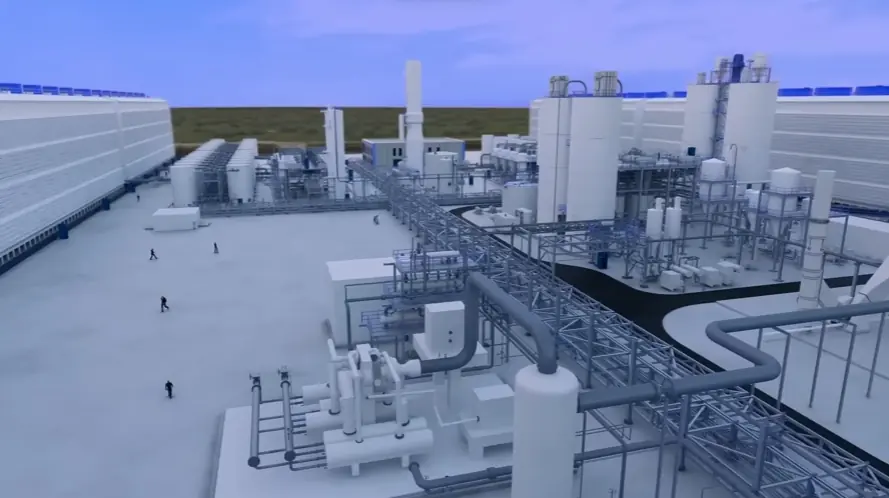
Picture audience minds lighting up? I understand the challenge of distilling a sophisticated product or intricate service into moments that immediately connect. It's about ensuring your innovation doesn't just exist, but is truly understood and embraced by those who need it most.
That's why I believe in the power of visualizing clarity, always seeking compelling ways to tell that story. Exploring 3D Marketing Explainer Video examples offers invaluable insights into crafting visuals that capture attention and drive genuine audience engagement. I want to show how these techniques make your message impactful.
It’s crucial to plan ahead when it comes to high-quality video production. Discuss with our team, how you can get visual style, budget, timeline in sync.
Jai Ghosh
Video Producer at Advids
Let's talk

How can 3D animated explainer videos simplify complex information?
3D animation simplifies complex information by breaking down intricate systems into visible steps and showing internal workings with realistic models. It dynamically demonstrates processes over time, uses visual metaphors for abstract ideas, and provides clear perspective on scale and relationships, making difficult concepts easy for viewers to understand and retain.
How are medical devices explained using 3D animation?
Medical devices are explained using 3D animation to show internal mechanics interacting with anatomy and visualize complex procedures or techniques. It demonstrates proper usage, highlights hidden features, and clarifies device interaction with the human body or drug delivery mechanisms, providing accurate and detailed representations for various audiences.
How can 3D animation boost engagement in marketing?
3D animation boosts engagement by delivering visually striking and memorable experiences that stand out. It holds viewer attention longer, facilitates dynamic storytelling, appeals to emotions through design, and makes abstract concepts relatable. This leads to increased social shares and better retention, reducing bounce rates on pages featuring video.
How can 3D animation effectively market complex products?
3D animation effectively markets complex products by clearly demonstrating internal components and showing interaction in simulated environments. It simplifies proprietary technology, visualizes benefits not immediately obvious, allows comparison of configurations, and conveys precision through detailed rendering, overcoming physical demonstration limitations.
How can 3D animation showcase product functionality?
3D animation showcases product functionality by allowing viewing from any angle in simulated settings, detailing how parts interact, and highlighting specific features with visual cues. It illustrates mechanisms not visible externally, explains the cause-and-effect of user actions, and visualizes performance, creating consistent, repeatable product demonstrations.
How can 3D explainers be used to drive conversions?
3D explainers drive conversions by increasing viewer time on page and clearly communicating value propositions. They build confidence by showing problem resolution, use calls to action, and reduce ambiguity, minimizing sales objections. This captivating content lowers bounce rates, helps convey benefits quickly, and establishes brand authority and professionalism.
How can 3D product animation be used to showcase features and benefits?
3D product animation showcases features and benefits by isolating specific features to highlight importance and showing the tangible result of using them. It clarifies how multiple features work together, illustrates benefits affecting user experience, visualizes the 'why' behind design, and creates scenarios demonstrating practical value, connecting features to real-world advantages.
What is the role of 3D animation in explaining technical processes?
3D animation explains technical processes by breaking multi-step procedures into easy visuals, showing cause-and-effect relationships, and illustrating internal mechanics or flows. It simplifies assembly/operation instructions, simulates conditions, visualizes spatial relationships, and provides consistent, accurate depictions, reducing risk of misunderstanding complex information.
How can 3D animation be used for training purposes?
3D animation is used for training by providing visual step-by-step guides and safely simulating dangerous scenarios or equipment operation. It allows viewing internal processes, standardizes delivery, improves comprehension/retention of complex information, and makes abstract concepts easier to grasp, engaging trainees more effectively than traditional methods.
How can 3D animation highlight product benefits in marketing videos?
3D animation highlights product benefits by illustrating tangible outcomes, creating aspirational scenarios, and visualizing savings or efficiency increases. It clearly links technical features to practical user advantages, employs storytelling to show problem-solving, and makes intangible benefits visible, building desire and perceived value through compelling visuals.
The Unique Benefits of Using 3D Animation
Beyond basic visualization, three dimensional animation offers potent strategic advantages for marketing efforts. This medium helps marketers connect on a deeper level with their audience, driving tangible outcomes. The capability exists to demonstrate product use within relevant industry contexts, showing precisely how an offering integrates into existing workflows or solves problems specific to a user's daily tasks. This dramatically increases its perceived value .
Video effectiveness finds measurement through tracking key metrics. Return on investment becomes clear when tracing lead generation or reduced support costs directly to video views. Analyzing viewer behavior using heatmaps and attention tracking reveals precise points viewers engage or disengage. This data pinpoints confusing segments, enabling refinement.
Crafting clear, specific calls action proves essential. Action oriented text such as Start Your Free Trial or Request Demo outperforms generic Learn More prompts. Tailoring the message where the viewer stands within their journey increases conversions. For complex or conceptual ideas, a 3D abstract video provides a powerful alternative visualization.
Platform optimization critical reaching audience effectively. Social media videos demand instant attention, ideally working without sound and typically run shorter. Conversely, video embedded on a product page assumes higher viewer intent, thus allowing for slightly longer, more detailed content.
- Incorporating social proof elements such as brief flashes of well known company logos or mentioning statistics about satisfied users quickly builds credibility and trust.
- A/B testing various elements like thumbnail images, the initial seconds of content, or CTA placement yields significant insights into what resonates most with the target audience.
- Agility in modifying 3D assets often facilitates efficient A/B testing of visual elements, speeding up optimization cycles.
- Crafting effective calls to action within a 3D Marketing Explainer Video proves vital for converting viewer interest into tangible outcomes.
Using realistic scenarios and demonstrating features within relevant contexts makes a product tour more relatable and believable, a task where 3D excels.
Setting Clear Goals for 3D Marketing Videos
Crafting a 3D animated marketing video requires clear objectives from the outset. Success hinges on defining precisely what creators want the video to achieve, ensuring alignment with broader business strategies. Vague aspirations yield uncertain results; concrete goals provide a roadmap for content creation and distribution.
Defining specific calls to action forms a vital part of this process. Generic prompts like "Learn More" lack direction. Instead, employ actionable language directly relevant to the viewer's likely next step. Think "Start Your Free Trial" or "Download the Report," guiding prospects clearly down the desired path. The goal is to prompt an immediate, measurable response.
Measuring success moves beyond simple view counts. Tracking the actual Return on investment is paramount. This involves weighing production costs against tangible value generated. Metrics like increased qualified leads, a shorter sales cycle from better-informed prospects, or even reduced support tickets because users understand a product better from a 3D corporate explainer demonstrate concrete business impact.
- Showcasing products or services within realistic scenarios makes content relatable and believable. Demonstrating how offerings integrate into existing workflows highlights their practical value to viewers.
- Leveraging viewer behavior analytics offers deep insights. Tools providing heatmaps or attention tracking reveal exactly which video segments resonate or cause drop-offs, informing future content refinement.
- Incorporating social proof, perhaps logos of well-known clients or user statistics, builds credibility and fosters trust swiftly within the narrative.
- Employing A/B testing for various video elements provides data-driven optimization . Experimenting with thumbnails, introductory hooks, or CTA variations uncovers what truly drives audience engagement and conversion.
These strategies, coupled with optimizing content for the specific platforms where audiences engage, ensure each video effort contributes meaningfully to overarching marketing objectives.
Structuring Your Explainer Video for Maximum Impact
Crafting impactful 3D explainer video s requires strategic thinking beyond just stunning animation. Creators focus on guiding the viewer deliberately towards a clear purpose. This involves defining success metrics from the outset and structuring the visual narrative to support specific outcomes. They understand that a powerful visual story must be paired with actionable next steps for the audience.
Central to driving results are clear and specific Calls to Action. Generic prompts lack direction; instead, video makers employ action-oriented phrases like "Start Your Free Trial" or "Request a Demo," tailored to where the viewer is in their engagement journey. Proving the video's value means Measuring ROI , contrasting production costs against tangible gains such as increased qualified leads, a faster sales cycle thanks to informed prospects, or fewer support tickets from users understanding features better.
They ensure the content resonates deeply by leveraging real-world scenarios. Demonstrating product features within relevant contexts, vital for a 3D engineering video showing complex processes, makes solutions relatable and believable. Highlighting how a product fits into existing workflows or solves industry-specific problems significantly boosts its perceived value. To build trust rapidly, incorporating social proof, perhaps displaying recognizable client logos or sharing statistics on satisfied users, proves highly effective.
- Analyzing viewer behavior using heatmaps and attention tracking tools provides invaluable insights into which video segments truly capture and hold interest.
- This granular data helps pinpoint confusing sections or exact moments where viewer engagement drops off, guiding content refinement.
- A/B testing various video elements, from the initial thumbnail and opening seconds to CTA wording or even subtle script differences, uncovers what best resonates with the target audience and drives conversions.
- Optimizing for diverse platforms means considering viewer intent and environment; a 3D explainer video for social feeds needs immediate impact and sound-off comprehension, while one on a product page can offer more detail assuming higher viewer interest.
Continuously analyzing performance and adapting based on data ensures these videos achieve maximum impact.
How to Explain Complex Topics Visually
Explaining intricate subjects demands clarity, a task where three-dimensional visuals excel. They offer a powerful medium to break down complexity, making the abstract concrete and readily understandable. Achieving success hinges on defining what specific action viewers should take after watching the video. Clear end goals guide content creation from the outset, ensuring the entire visual story leads purposefully towards a desired outcome, providing viewers a clear next step in their journey.
Measuring the effectiveness of such visual communication involves tracking more than just view counts; creators track production costs against the tangible value generated. This value manifests in multiple ways, including an increase in qualified leads reaching the sales team, a shortened sales cycle because prospects arrive better informed about the offering, or a decrease in support requests from users who fully grasped functionality through the visual guide. A 3D feature explainer video serves this purpose well by showing exactly how a product works in detail and highlighting its benefits.
Relatability increases significantly when demonstrating concepts within real-world scenarios pertinent to the audience. Showing how a solution seamlessly integrates into existing workflows or directly addresses industry-specific challenges makes its value immediately apparent and believable. For example, a 3D manufacturing video can depict complex processes or machinery operations, simplifying understanding for potential clients or internal teams by showing the solution in its intended environment.
- Employing actionable calls to action proves crucial; generic prompts like "learn more" often yield less specific results compared to clear, action-oriented directives such as "start your free trial," "request a demo," or "download the report," which directly align with viewer intent and funnel them appropriately.
- Analyzing viewer behavior provides invaluable insight; heatmaps and attention tracking integrated with video players reveal exactly which sections hold viewer interest, which get rewatched, or which cause drop-offs, pinpointing segments needing refinement for better engagement.
- Incorporating social proof builds trust rapidly with the audience; brief displays of recognized client logos that use the product or mentioning compelling statistics about the number of satisfied users lend immediate credibility to the offering and reassure potential customers.
- Conducting A/B testing on various elements of the video – such as the thumbnail image, the crucial first 10 seconds of content, the placement or exact wording of the CTA, or even slightly different script variations – reveals through data what truly resonates most with the target audience and drives higher conversions.
Ultimately, optimizing the video for diverse platforms necessitates considering viewer intent and viewing environments. Videos destined for social media feeds need to grab attention instantly and be easily digestible even when viewed without sound, requiring concise messaging. Conversely, a video embedded prominently on a product page can assume higher viewer intent and thus be slightly longer and more detailed, providing deeper information necessary for decision-making.
Harnessing Visual Storytelling Power in 3D
Crafting an impactful 3D marketing video moves beyond simply displaying products. They weave narratives explaining value complex ideas engagingly. Viewers connect understanding benefits quicker leading increased interest.
Strategic execution elevates visual influence. Guiding viewers next steps proves critical; clear calls action direct potential customers efficiently. Instead generic prompts like learn more specific text drives conversion effectively. Measuring return requires comparing creation expense value generated tangible results. Value manifests increased qualified leads faster sales cycles also decreased support requests reflecting viewer comprehension.
Showcasing real world application makes product tours believable. Demonstrating feature use within familiar contexts highlights tangible benefit.
- Analyzing viewer behavior offers crucial insight. Tracking watch skip patterns reveals engagement points allowing refinement.
- Incorporating social proof builds instant trust credibility with audiences. Displaying known client logos or user statistics reinforces confidence.
- Optimizing content for diverse platforms ensures reaching audiences where they consume media. Adapting length style viewing environment maximizes impact.
- Testing variations like thumbnails opening seconds calls action identifies highest performing elements through A/B splits.
Understanding complex systems through a 3D mechanism video allows viewers grasp intricate workings quickly. These combined approaches transform visuals powerful instruments achieving concrete business objectives.
Ensuring Brand Messaging Alignment in 3D Animation
Effective 3D animation ensures brand messaging resonates deeply with viewers, translating complex ideas into clear, memorable experiences. Aligning these visual stories requires deliberate focus beyond just rendering impressive graphics. It involves weaving brand identity throughout the narrative and ensuring the video serves tangible business goals.
A crucial element lies in guiding the viewer toward the next step. Clear and specific calls to action prove vital at the conclusion. Moving past generic prompts, action-oriented text like "Start Your Free Trial" or "Download the Report" connects directly to the video's purpose and the viewer's journey.
Measuring the true impact involves tracking the return on investment. This means comparing production costs against the value generated. Value manifests in increased qualified leads, reduced sales cycle length due to well-informed prospects, and decreased support ticket volume from users who grasped features clearly. For instance, measuring success for a 3D onboarding video often involves tracking reductions in support requests related to initial setup.
- Using real-world scenarios and demonstrating features within relevant contexts makes a product tour relatable.
- Showing how the product integrates into existing workflows or solves specific industry problems increases its perceived value.
- Analyzing viewer behavior through heatmaps and attention tracking tools reveals which parts viewers watch, rewatch, or skip.
- This data is invaluable for pinpointing confusing segments or points where interest wanes.
Incorporating social proof builds credibility swiftly. Brief flashes of recognizable company logos using the product or mentioning statistics about satisfied users can foster trust. A/B testing different video elements yields insights into audience resonance and higher conversions. Experimenting with thumbnails, the initial seconds, CTA wording, or slight script variations helps refine the approach. Whether creating a 3D medical explainer or a 3D onboarding video, optimizing for different platforms requires considering viewer intent and environment. Videos for social feeds need instant grabs and potentially sound-off understanding with text overlays, while those on product pages can offer more detail, assuming higher intent.
Visualizing Technical Concepts with Precision
Developing a technical 3D presentation video requires precision. Beyond accurate visuals that build confidence, strategic elements ensure viewer comprehension and action. Effectively explaining intricate systems or processes means not only showing how things work but guiding the viewer toward a next step. Similarly, optimizing a 3D product demo video involves understanding viewer interaction deeply and refining content based on how audiences respond.
Using the visual medium effectively involves several key considerations once the core technical explanation is clear. Incorporating real-world scenarios demonstrates immediate relevance, showing how technology integrates into existing workflows or solves specific industry problems. This practical context increases perceived value far more than isolated feature explanations. Adding social proof, such as displaying logos of well-known clients or sharing user statistics, quickly builds credibility.
- Implement specific calls to action. Move beyond generic "Learn More" to clear directives like "Start Your Free Trial" or "Request a Demo," aligning the prompt with the viewer's stage and video's purpose.
- Measure performance meticulously. Track production costs against generated value, looking at increased qualified leads, shorter sales cycles, or reduced support inquiries as tangible returns on investment.
- Analyze viewer behavior for insights. Utilize tools like heatmaps or attention tracking to pinpoint exactly where viewers engage most or disengage, providing data to refine content.
- Conduct A/B testing regularly. Experiment with different thumbnails, opening seconds, CTA placements, or messaging variations to discover what resonates strongest and boosts conversions.
Optimizing for different viewing platforms is also vital. Content for social feeds needs immediate impact and often works without sound, while videos on product pages can offer greater detail to engaged viewers. Tailoring the approach maximizes reach and ensures the technical message lands effectively wherever it is seen.
Creating Memorable Explainer Characters
Creating memorable characters begins with understanding who they are speaking to. Audiences connect deeply with figures who reflect their own challenges, aspirations, or daily routines. These characters then become powerful vehicles, not just for narration, but for visually demonstrating how a product or service directly addresses viewer needs. Showing these characters interacting with the offering within real-world scenarios makes the abstract tangible and relatable.
Illustrating how a solution integrates seamlessly into existing workflows or simplifies specific tasks in a character's day significantly increases its perceived value. For example, complex information, such as steps detailed in a 3D safety training video, becomes clearer when characters physically enact them. As the narrative unfolds and the value becomes evident, guiding the viewer towards the next step is crucial.
This transition leads naturally to the call to action. Effective calls to action are not generic; they use clear, action-oriented language relevant to the viewer's journey stage. For a 3D sales explainer video, demonstrating the tangible benefits a character gains encourages viewers to consider the product for themselves, making a prompt like "Start Your Free Trial" far more compelling than a simple "Learn More."
- Creators can measure success by tracking video ROI, comparing production costs against generated value like increased qualified leads or reduced support requests.
- Analyzing viewer behavior through heatmaps reveals which parts resonate most, helping pinpoint segments causing confusion or loss of interest.
- Incorporating social proof, such as showing logos of well-known companies who are users, rapidly builds credibility and trust with the audience.
- Platform optimization considers viewer intent and environment, leading to different video approaches, like shorter, sound-optional versions for social feeds versus longer, detailed ones for product pages.
Refining these elements ensures the video resonates powerfully and motivates the desired action.
Writing Powerful Video Calls to Action
The concluding moments of a 3D marketing explainer video hold immense power. Here, spectators move from absorbing information to potentially engaging further. Merely suggesting they "Learn More" often proves insufficient. Instead, creators craft calls to action that are both clear and highly specific, directing viewers toward a precise next step. Employing strong, action-oriented verbs encourages immediate response. Phrases such as "Start Your Free Trial," "Request a Demo," or "Download the Report" resonate more powerfully, tailored to the video's aim and the prospect's stage.
Assessing the tangible return from a 3D marketing explainer video requires looking past simple viewership metrics. It necessitates comparing creation expenses against the value delivered. This manifests as an uptick in qualified lead acquisition. Frequently, shortened sales cycles occur because viewers arrive better prepared and informed. A decline in support inquiries also indicates success, showing viewers gained a solid understanding of features. When creating a 3D science explainer, the call to action might guide viewers to download a technical whitepaper or request a detailed consultation, aligning with the complex nature of the subject matter. Presenting product functionalities within familiar, real-world contexts enhances relatability and belief.
Gaining insight into how viewers interact provides invaluable optimization data. Utilizing tools like heatmaps and attention trackers reveals precisely which parts of the video capture interest, prompt rewatching, or cause viewers to move on. Such detailed feedback highlights potential confusion or dips in engagement. Weaving in elements of social proof quickly establishes credibility. The value generated by a 3D simulation video often correlates with prospects understanding complex features quickly, leading to faster sales cycles and justifying calls to action focused on next steps like piloting the solution.
- Craft calls using action-oriented verbs like "explore," "start," or "get."
- Tailor the call precisely to the video goal and audience journey phase.
- Leverage viewer analytics to refine content leading to the call.
- Continuously A/B test different call designs, text, and placement.
Adapting content for different viewing platforms, considering user motivation and setting, ensures maximum impact whether viewers are scrolling social feeds or exploring a dedicated product page.
Strategic Considerations for B2B Explainer Videos
Businesses invest significantly in visual communication tools. While prior sections covered the techniques involved in creating compelling 3D visuals and integrating data, their strategic application is paramount for ensuring a strong return in the B2B space. Crafting an impactful 3D software explainer or a detailed 3D technical video requires planning that extends far beyond the animation pipeline, focusing squarely on business objectives and audience needs.
Measuring true impact extends beyond simple view counts. Forward-thinking companies rigorously track tangible results like increased qualified leads generated directly from video interaction points. They also analyze whether these videos effectively shorten the sales cycle by better-informing prospects early on, or if they reduce inbound support requests by clarifying product features for existing users. This comprehensive tracking is essential for calculating true ROI on video investments.
Content must deeply resonate with the target audience. Showing products operating within relatable, real-world B2B scenarios and demonstrating their seamless integration into existing workflows significantly elevates perceived value and addresses potential implementation concerns. Incorporating social proof, perhaps displaying recognizable client logos or citing statistics about satisfied users, quickly builds trust and lends authority. For explaining complex solutions or processes, a compelling 3D technical video must effectively translate intricate details into clear, digestible visuals relevant to the viewer's daily tasks and industry challenges.
- Actionable calls to action guide viewers effectively towards conversion. Moving beyond generic prompts like "Learn More," employ specific, action-oriented text such as "Start Your Free Trial" or "Request a Demo," ensuring the call aligns precisely with the video's objective and the viewer's stage in the buying journey.
- Analyzing viewer behavior provides invaluable insight into video performance. Utilizing heatmaps and attention-tracking tools reveals exactly which sections capture interest, where viewers rewatch, or crucial points where engagement drops, providing data-driven direction for optimization.
- Rigorous A/B testing of different video elements yields significant performance improvements. Experimenting with thumbnail images, the critical first few seconds of content, the placement and wording of calls to action, or subtle script variations helps identify what resonates most powerfully with the target audience and drives higher conversion rates.
- Optimizing content for specific platforms is vital for maximizing reach and effectiveness. Videos intended for fast-scrolling social media feeds must instantly grab attention and often function without sound using text overlays, requiring brevity, whereas videos embedded on a dedicated product page on a website can be slightly longer and more detailed, assuming a higher level of viewer intent.
By consistently analyzing performance data and iteratively refining these strategic considerations—from initial content relevance and viewer engagement to clear calls to action and platform-specific delivery—businesses can unlock the full potential of their B2B explainer videos , transforming them into powerful tools for achieving measurable marketing and sales objectives.
Author & Editor Bio
A video producer with a passion for creating compelling video narratives, Jai Ghosh brings a wealth of experience to his role. His background in Digital Journalism and over 11 years of freelance media consulting inform his approach to video production. For the past 7 years, he has been a vital part of the Advids team, honing his expertise in video content planning, creation, and strategy.
His collaborative approach ensures that he works closely with clients, from startups to enterprises, to understand their communication goals and deliver impactful video solutions. He thrives on transforming ideas into engaging videos, whether it's a product demo, an educational explainer, or a brand story.
An avid reader of modern marketing literature, he keeps his knowledge current. Among his favorite reads from 2024 are "Balls Out Marketing" by Peter Roesler, "Give to Grow" by Mo Bunnell and "For the Culture" by Marcus Collins. His results-driven approach ensures that video content resonates with audiences and helps businesses flourish.