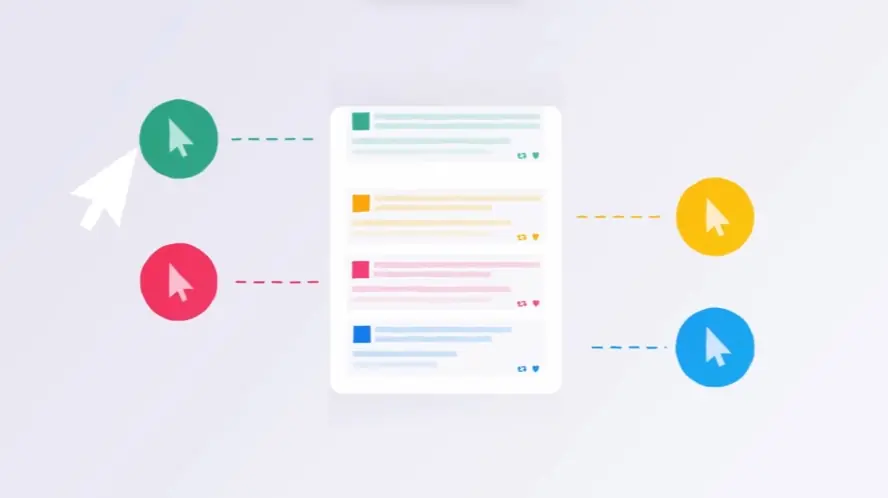


Picture your prospects nodding instantly? I know you've poured incredible effort into building a powerful platform. Getting ideal prospects to truly *see* and *understand* its value, cutting through complexity for them, feels crucial, doesn't it? How do you ensure that immediate 'aha!' moment happens? That immediate clarity is where dynamic visuals shine. Exploring these Platform Animated Demo Video examples shows *how* others make that connection. I find seeing these approaches inspiring for translating complex workflows into understandable experiences that encourage those next steps.
It’s crucial to plan ahead when it comes to high-quality video production. Discuss with our team, how you can get visual style, budget, timeline in sync.
Jai Ghosh
Video Producer at Advids
Let's talk
How can animated explainer videos increase platform conversion rates?
Animated explainer videos boost platform conversion by increasing user engagement and time on page. They build trust and simplify understanding of complex features, reducing bounce rates. By quickly communicating the platform's core value proposition, they effectively guide potential users towards signup or desired actions.
How do animated platform demos effectively showcase features and functionality?
Animated platform demos excel at showcasing features by visually simplifying complex workflows and highlighting key interactions dynamically. They can depict abstract processes not visible in the UI, using motion cues to focus attention and demonstrate sequential steps clearly for better comprehension.
What are the key benefits of using animated platform walkthroughs for users?
Animated platform walkthroughs benefit users by making learning intuitive and less intimidating, reducing cognitive load compared to text. Users retain information better visually, increasing confidence and reducing frustration. They also serve as an accessible reference for reviewing steps.
How can complex features be simplified using animation in platform demos?
Complex features are simplified in animated demos by using abstract graphics or metaphors and breaking down multi-step functions sequentially. Animation can highlight specific UI elements, show data flow, and visually represent cause-and-effect, making intricate processes understandable.
How does visual storytelling enhance animated software demos for platforms?
Visual storytelling enhances demos by creating relatable user scenarios, showing problem-solution arcs, and making technology tangible. This approach increases emotional engagement, improves message memorability, and helps viewers envision themselves successfully using the platform.
What animation styles are most effective for demonstrating a platform's user interface?
Effective animation styles for platform UI demos include clean motion graphics highlighting elements and stylized screen recordings with overlays. Isometric or 3D styles can show depth, while illustrated characters interacting with simplified UI adds relatability, focusing on transitions and dynamic states.
What is the purpose of an animated SaaS product walkthrough?
The purpose of an animated SaaS product walkthrough is to quickly show the core value proposition and onboard new users. They showcase relevant features, reduce sales team burden, and increase user confidence, ultimately improving product adoption and reducing early churn.
What techniques are used to create engaging animated software demonstrations?
Engaging animated software demos use clear, concise, benefit-oriented scripting and dynamic pacing with smooth transitions. Visual techniques like highlighting and hierarchy guide the eye, incorporating relatable even abstract characters or scenarios, all while maintaining consistent brand style.
How can animated demos be tailored for specific platform use cases?
Animated demos are tailored for specific use cases by focusing on relevant features and using industry language familiar to that audience. They demonstrate how the platform solves their specific problems, adjusting complexity based on expertise and creating focused videos for particular workflows.
How can interactive elements be incorporated into animated platform demos?
Interactive elements in animated demos can include clickable hotspots for detail or branching paths based on user choice. Adding quizzes or knowledge checks boosts engagement, options to view different use cases personalize the experience, and integrated calls to action drive next steps.
Achieving User Clarity in Platform Demo Videos
When creating a platform animated demo video, capturing user attention and conveying value clearly is paramount. Effective teams understand that simply showcasing features is not enough; they must illustrate how the product seamlessly fits into real-world scenarios and integrates with existing workflows. Showing how the product solves specific problems makes the demonstration relatable and believable for potential users navigating their daily tasks.
Measuring the success of an animated platform tutorial involves looking beyond vanity metrics. Teams track the costs of production against the value generated , focusing on improvements like increased qualified leads or a shortened sales cycle. A reduction in support ticket volume from users who gained understanding from the video is another clear indicator of success and strong return on investment .
Leveraging data provides powerful insights for refinement. Analyzing viewer behavior through heatmaps and attention tracking helps pinpoint exactly where viewers engage or drop off, identifying confusing segments. Incorporating social proof , like displaying well-known company logos using the platform or sharing statistics about satisfied users, builds immediate credibility and trust with the audience.
- Use precise, action-oriented text for your call to action , like " Start Your Free Trial " instead of generic prompts.
- Conduct A/B tests on video elements, from thumbnails to script variations, to learn what resonates most effectively.
- Optimize the video for different platforms, considering viewer intent and viewing environments like sound-off social feeds.
- Track metrics showing value generation such as increased qualified leads or reduced support queries post-viewing.
Ultimately, the goal is to transform viewers from curious onlookers into informed, active users ready to take the next step .
How to Highlight Platform Features Effectively
Effectively showcasing platform capabilities requires deliberate strategy, extending far beyond simply demonstrating functionality . Focus shifts towards ensuring viewer understanding translates into tangible outcomes . Achieving measurable results stands as a key indicator of a platform's animated demo video success.
Guiding viewers toward desired actions proves vital. Clear calls to action prevent confusion, directing interest into progression. Employing specific, action-oriented language aligned with where the viewer stands in their journey maximizes conversion potential.
Understanding video impact involves Measuring return on investment. This means tracking the cost of creation against generated value. Assessing increased qualified leads or noting a shortened sales cycle among better-informed prospects quantifies success. Reduced support requests regarding feature usage also demonstrate the video's clarity and effectiveness. Analyzing viewer behavior offers profound insights into audience engagement.
- Use action-oriented CTAs like "Start Your Free Trial" or "Request a Demo."
- Quantify ROI through metrics like lead generation, sales cycle reduction, and decreased support volume.
- Analyze interaction data with tools like heatmaps to identify captivating or confusing segments.
- Implement A/B testing on elements like thumbnails, intros, and CTAs for continuous optimization.
Presenting features within relevant, real-world scenarios makes the content relatable. Showing seamless integration into existing workflows or demonstrating solutions to specific industry problems significantly boosts perceived value within an animated platform walkthrough. Incorporating social proof elements, such as recognized client logos, rapidly builds credibility. Adapt the approach for each viewing context; a platform demo video for a social feed needs instant visual appeal, potentially conveying its message without sound. These strategic steps ensure the video not only shows the platform but actively contributes to business goals.
Leveraging Visual Explanation in Animated Demos
Effective platform demos demand strategic visual explanation. Guides viewer grasp platform value proposition. Clear specific calls action propel viewers next journey steps. Past generic prompts, action-oriented text 'Start Trial' aligns video objective viewer intent. Measure effectiveness links production investment tangible returns. Track qualified leads generated, sales cycle length reduction, support volume decrease shows demonstrable value. platform explainer video clarifies complex features, making concepts accessible viewer audience efficiently.
Understanding viewer interaction holds significant power. Viewer behavior analysis using heatmaps attention tracking reveals demo parts capture interest cause drop-off viewers. Granular data highlights confusing sections, guiding content adjustments. Showing platform use real-world scenarios demonstrating integration existing workflows increases relatability perceived value audience segments. platform onboarding video guides users initial setup process smoothly, analysis shows areas users might struggle adopt product fully.
Building trust credibility accelerates viewer confidence. Incorporate social proof elements brief client logos user statistics persuades potential users quickly. Continuously refine demo performance involves rigorous A/B testing. Experimenting different elements thumbnails, initial seconds content, CTA wording placement yields insights optimizing conversions. Adapt content style viewing platform ensures message resonates viewers engage effectively.
Specific action-oriented CTAs drive viewer progression.
Viewer analytics pinpoint demo areas needing refinement engagement retention.
Social proof enhances demo credibility viewer trust.
A/B testing offers data-driven path maximizing demo conversion performance.
Applying these strategic visual communication techniques elevates demo effectiveness conversions.
The Role of Animated Visuals in Demos
Animated visuals bring distinct power demonstrating platforms effectively. They enable showing intricate processes or future states standard video cannot capture. Creating a compelling Platform walkthrough video guides prospective users through key functions, illustrating value propositions quickly. The visual clarity animation provides simplifies understanding complex offerings.
Strategically deploying these demos demands thoughtful execution. Clear calls to action prove essential, prompting viewers toward specific outcomes. Abandoning generic invites for action-oriented text like "Start Your Free Trial" or "Request a Demo" aligns with where viewers are in their journey, driving conversions effectively. Measuring the return on investment moves beyond simple views assessing production costs against generated value like increased qualified leads or shorter sales cycles. For comprehensive user understanding, animated content serves as an effective Platform training video, reducing support inquiries by clarifying feature usage proactively.
Analyzing viewer interaction offers invaluable insights for refinement. Understanding where viewers focus or disengage allows continuous improvement. Incorporating social proof through recognizable customer logos or user statistics builds rapid trust. Rigorous A/B testing across different video elements optimizes performance maximizing impact with the target audience.
- Showcasing real-world scenarios and how the platform integrates into existing workflows makes the product highly relatable, boosting its perceived utility.
- Utilizing viewer behavior tools such as heatmaps precisely identifies confusing video segments needing clarification or points where viewer interest wanes.
- Optimizing demo content for varied platforms means adapting length, sound dependency, and calls based on viewing environment and user intent.
- Ultimately, focusing on data-driven refinement and audience-specific strategies ensures these visual tools achieve their maximum potential.
Keeping Viewers Engaged with the Platform Video
Once viewers are drawn into a compelling platform explainer animation, maintaining their focus becomes paramount. They have found the video; now they must find enduring value. Guiding them effectively ensures their journey continues beyond watching. Ending such videos with clear, specific calls to action is vital. Instead of vague invitations to learn more, action-oriented text such as "Start Your Free Trial" or "Request a Demo" respects their place in the consideration process and prompts decisive next steps.
Understanding the return on investment goes beyond simple view counts. Measuring success involves comparing production costs against tangible value generated. This could mean tracking increases in qualified leads directly attributed to video views or noting a reduction in sales cycle length because prospects arrive better informed. Decreased support ticket volume from users who clearly understood features demonstrated in the video also signals a strong return.
Presenting the platform within relatable, real-world contexts dramatically increases its perceived value. Showing how the product seamlessly integrates into existing workflows or directly solves specific industry challenges makes the demonstration more believable. Analyzing viewer behavior provides a data-driven path to optimizing content; tools revealing heatmaps or attention tracking pinpoint exact moments interest wanes, allowing for targeted refinement of an animated feature demo or product tour.
- Incorporating social proof, like brief displays of recognizable customer logos, quickly builds credibility.
- Implementing A/B testing on elements such as thumbnails or the initial seconds helps identify what resonates best with the target audience.
- Analyzing drop-off points from viewer data guides specific content adjustments to improve retention.
- Optimizing video length and style for different platforms, ensuring comprehension even without sound, maximizes reach and impact.
These focused strategies empower creators to transform initial interest into sustained engagement and meaningful action.
Best Practices for Demonstrating Platform Use
Building upon the foundational understanding of viewer engagement and demo structure, creators evolve their approach to maximize impact. They recognize simply outlining a solution goes only part way. True effectiveness lies in refining every element to resonate deeply and motivate action.
Driving desired outcomes necessitates clear calls to action. Instead of vague prompts, successful demos employ action-oriented text relevant to the viewer's stage, such as "Start Your Free Trial" or "Request a Demo". Measuring impact moves beyond view counts; they track Return on Investment by correlating production costs with tangible business value, like increased qualified leads or fewer support issues from better-informed users. Incorporating social proof, perhaps brief flashes of recognizable customer logos or compelling user statistics, quickly builds credibility and trust.
Making the demonstration relatable proves vital. Showing features within real-world scenarios, illustrating how a platform integrates into existing workflows or solves specific industry problems, significantly boosts perceived value. Analyzing viewer behavior using tools like heatmaps reveals exactly where viewers engage or disengage, providing invaluable data to refine content. Employing A/B testing allows creators to systematically compare variations in elements like the opening seconds or CTA wording, identifying what resonates most. Optimizing for diverse platforms means adapting length and style; a quick, text-overlay heavy approach suits social feeds, while longer, detailed versions fit product pages, acknowledging varied viewer intent. For instance, showcasing an animated product demo might require different pacing than presenting an animated SaaS demo focused on workflow efficiency.
- Use specific action verbs in calls to action, guiding viewers clearly.
- Quantify success by measuring the demo's contribution to business metrics, not just views.
- Ground the demonstration in practical applications and user integration points.
- Systematically gather and apply data from viewer behavior and A/B tests for continuous improvement.
Ultimately, refining platform demonstrations through strategic calls to action, measurable impact, relatable contexts, and data-driven optimization transforms them into powerful conversion tools.
Effectively Communicating the Platform Value Proposition
Effective communication hinges on guiding viewers toward a desired outcome after they experience your platform’s capabilities. Ending an animated software demo with a clear, specific instruction proves vital. Generic prompts lack impact; instead, employ action-oriented phrases directly relevant to the video's purpose and where viewers stand in their journey. Think beyond "Learn More," opting for directives like "Start Your Free Trial," "Request a Demo," or "Download the Report," ensuring no ambiguity exists about the next step.
Measuring success involves more than just view counts; teams track the return on investment by comparing production costs against tangible value generated. This value manifests in various ways, such as an increase in qualified leads, a reduction in the sales cycle length because prospects arrive better informed, or a decrease in support ticket volume as users grasp features readily from the demonstration. Understanding these metrics is key to refining video strategy.
Maximizing a demo's persuasive power involves several key strategies they employ:
- Presenting real-world scenarios and showing features within relevant contexts increases relatability and perceived value, demonstrating seamless integration into existing workflows.
- Analyzing viewer behavior analysis through tools like heatmaps reveals exactly which parts resonate or cause drop-offs, providing granular data to refine confusing segments, especially within an animated UI demo.
- Incorporating social proof quickly builds credibility and trust, perhaps through brief flashes of recognizable client logos or statistics about satisfied users.
- Conducting A/B testing on elements like thumbnails, introductory content, or CTA placement and wording yields significant insights into audience preferences and conversion drivers.
Continuously optimizing based on data and audience understanding ensures the video effectively communicates value and drives desired actions across various platforms and viewing environments.
Structuring a Compelling Platform Demo Video
Having captured initial attention, structuring a compelling platform demo video becomes the critical next step. They need to guide viewers effectively towards understanding value and taking desired actions. A successful Product demo video moves beyond simply showcasing features; they tell a story resonating with their audience's challenges and aspirations. Demonstrating the platform within real-world scenarios, showing how it integrates into existing workflows, makes the solution tangible and relatable. This practical context helps viewers envision themselves using the product day-to-day.
Furthermore, creators must commit to refining their approach. This involves analyzing how viewers actually engage with the content. Understanding which parts hold attention or cause drop-offs is crucial for iterative improvement. Testing different versions of the video based on viewer data helps optimize performance. Tailoring the message and format for various platforms, like creating shorter versions optimized for social media feeds or more detailed ones for product pages, ensures the demo aligns with viewer intent and viewing environment. Within a comprehensive product tour, individual feature demo video segments should clearly articulate the benefit, not just the function.
- Employ clear, specific calls to action guiding the viewer on their next step.
- Measure the demo's success by tracking metrics such as increased qualified leads or shorter sales cycles.
- Utilize analytics tools like heatmaps to analyze viewer behavior and pinpoint areas needing adjustment.
- Build credibility through social proof elements and conduct A/B tests on elements like thumbnails or CTAs.
Ultimately, a well-structured demo is a powerful tool converting interested viewers into valuable users or leads, significantly impacting business growth.
Using Platform Animated Video for User Onboarding
Effective user onboarding significantly impacts product adoption and retention. They offer a dynamic way to guide new users successfully through initial stages, fostering confidence and promoting independent feature discovery.
Teams deploying these visual guides must define clear objectives for each resource. Concluding videos with specific calls to action, like "Start Your Free Trial" or "Request a Demo," directly prompts viewers toward desired next steps post-onboarding. Tailoring this action text to the viewer's journey enhances conversion probability. Evaluating video success involves tracking costs versus value gained. Measuring increased qualified leads or a reduced sales cycle length demonstrates tangible return. Noting decreased support tickets indicates users found answers independently through the video content, smoothing their path.
Crafting engaging content means showing the platform in action. Utilizing real-world scenarios and demonstrating features within relevant contexts makes the experience relatable for new users immediately. Illustrating how the product fits into existing workflows or solves specific industry tasks increases perceived value. Building immediate credibility is possible by incorporating social proof, perhaps brief flashes of recognizable client logos or relevant user statistics within the presentation.
Analyzing behavior through tools like heatmaps reveals exactly which video parts resonate or cause confusion for users. Identifying segments users skip or rewatch provides valuable insight for refinement. Optimizing the approach based on platform ensures maximum impact. A short product explainer video on social media differs from a detailed SaaS demo video on a landing page; adapting length and content to the environment and user intent is crucial for meeting user expectations during onboarding.
- Tailor calls to action specifically for user onboarding goals.
- Measure video ROI based on onboarding specific outcomes like user activation or reduced support requests.
- Show features embedded within practical user scenarios for immediate relevance.
- Analyze viewer data to pinpoint and improve confusing sections of the onboarding walkthroughs.
Simplifying Complex Platform Concepts
Platforms often present intricate features and workflows. Merely showcasing every function risks overwhelming viewers. The goal becomes translating complexity into clear value, helping audiences quickly grasp how a solution addresses their specific needs and fits into their world. Effective animated demo videos go beyond simple feature tours; they build understanding and motivate the next step.
Guiding viewers toward a desired outcome is paramount. Instead of generic prompts, employ action-oriented calls to action tailored to the video's purpose and the audience journey. Understanding the video's true business impact requires measuring its return. This involves comparing production investment against quantifiable value, such as increases in qualified prospects, shorter sales cycles, or fewer support inquiries related to demonstrated features.
Making the abstract concrete helps viewers connect with the platform's potential. Embedding features within real-world scenarios shows practical application, demonstrating how the product integrates into existing operations or solves problems relevant to a user's daily tasks. For instance, a saas onboarding video might walk through initial setup using a common use case, while a saas tutorial video could detail a specific feature's application in a relatable industry context. Incorporating elements of social proof, like recognizable customer logos or user statistics, builds immediate trust and credibility.
Continuous refinement is key to maximizing video effectiveness. Analyzing viewer behavior through tools that track attention and engagement reveals which parts resonate or confuse. This viewer data provides invaluable insights for optimization. Furthermore, conducting A/B tests on different video elements, from the opening hook to the final call to action, helps identify what truly drives conversion for the target audience across various viewing platforms.
To effectively simplify complex platforms and drive results:
- Use specific, action-focused calls to action.
- Showcase features within relevant, real-world use cases.
- Leverage viewer analytics to understand engagement patterns.
- Employ A/B testing to optimize video performance.
Implementing these strategies helps ensure platform demo videos successfully clarify complex offerings, build audience confidence, and achieve desired business outcomes.
Author & Editor Bio
A video producer with a passion for creating compelling video narratives, Jai Ghosh brings a wealth of experience to his role. His background in Digital Journalism and over 11 years of freelance media consulting inform his approach to video production. For the past 7 years, he has been a vital part of the Advids team, honing his expertise in video content planning, creation, and strategy.
His collaborative approach ensures that he works closely with clients, from startups to enterprises, to understand their communication goals and deliver impactful video solutions. He thrives on transforming ideas into engaging videos, whether it's a product demo, an educational explainer, or a brand story.
An avid reader of modern marketing literature, he keeps his knowledge current. Among his favorite reads from 2024 are "Balls Out Marketing" by Peter Roesler, "Give to Grow" by Mo Bunnell and "For the Culture" by Marcus Collins. His results-driven approach ensures that video content resonates with audiences and helps businesses flourish.