INTRODUCTION: Visualizing the Invisible Supply Chain
The logistics industry is currently navigating a profound "Renaissance," shifting from a focus on physical assets to digital intelligence. For 3PL providers and software platforms, the challenge is no longer just moving goods; it is demonstrating the sophisticated orchestration behind that movement. We are witnessing a massive market expansion, with the global third-party logistics market projected to reach USD 1,877.51 billion by 2030. This growth is driven not by more trucks, but by smarter data.
However, a critical "Communication Gap" exists. How do you visualize an API call? How do you show the value of an algorithm that optimizes a pick path by 12%? This inability to articulate value contributes to a startling statistic: 76% of logistics transformations never fully succeed, often due to a lack of clear strategic alignment and stakeholder buy-in.
The bridge between the physical reality of the warehouse and the digital promise of your software is Strategic Visualization.
This guide is your blueprint for building that bridge. We have curated 30 distinct visual styles—ranging from high-fidelity cinematic renders to accessible gamified 3D—designed to resonate with the "Orchestration Architect" (your target buyer). By adopting these visual frameworks, you move beyond "explaining features" to "demonstrating value," reducing cognitive load and accelerating adoption in a complex, high-stakes market.
1. THE MACRO-SCALE IMMERSION
TOFU | Brand Awareness

The Visual & Narrative Approach
This style leverages the language of high-budget cinema to depict the "Perfect Warehouse." The camera acts as a dynamic drone, sweeping through vast, hazy industrial spaces illuminated by cool steel-blue floodlights and safety-orange strobes. It focuses on the synchronized ballet of Automated Guided Vehicles (AGVs) and towering inventory, deliberately removing human presence to emphasize pure, unadulterated automation. The narrative tone is epic and awe-inspiring, positioning the software not as a tool, but as the "brain" behind a massive, autonomous organism.
Psychological Impact & KPI Focus
- Niche Psychology: This style directly addresses the "Scale Anxiety" of enterprise buyers. It reassures them that the platform can handle millions of SKUs and massive square footage without breaking a sweat.
- Operational Impact: By bridging the physical/digital divide with photorealistic fidelity, it reduces cognitive load regarding capability. It targets Brand Awareness and Market Confidence, visually proving that the vendor is ready for the future of "Dark Warehousing."
Strategic Implementation & Trade-offs
- Best Use Case: TOFU Brand Anthem videos or Event Openers where the goal is to stun the audience and establish market dominance.
- Duration: 60-90 Seconds.
- Trade-off: While visually stunning, it can feel impersonal. It is less effective for training or showing specific UI workflows because the grandeur overshadows the granular details.
Companies using similar video content -
Dematic – Dematic Multishuttle – Visualizing vast automated warehouse systems.
Körber Supply Chain – Körber One – Showcasing integrated global supply chain solutions.
2. VISUALIZING THE ORGANIC ECOSYSTEM
TOFU | Market Education

The Visual & Narrative Approach
Moving away from rigid industrial lines, this style adopts a fluid, organic aesthetic. Using a palette of glossy teal, mint green, and silver, it depicts logistics as a "river" of packages flowing effortlessly through an abstract city map. The connecting nodes pulse gently, suggesting a living, breathing network rather than a static grid. The narration here is soft, intelligent, and flow-centric, focusing on "seamless integration" and "ecosystem harmony" rather than mechanical force.
Psychological Impact & KPI Focus
- Niche Psychology: Supply chain managers often feel their network is disjointed and chaotic. This style offers a therapeutic counter-vision: logistics as a smooth, self-correcting liquid system.
- Operational Impact: It visualizes Market Education by abstracting complex routing data into a digestible "flow." It helps stakeholders visualize the entire network at once, reducing the fear of fragmentation.
Strategic Implementation & Trade-offs
- Best Use Case: Social Ads and "About Us" sections where the goal is to communicate ease of use and holistic visibility.
- Duration: 15-30 Seconds.
- Trade-off: The abstraction means you cannot show specific hardware or software interfaces. It sells the feeling of the solution, not the technical specs.
Companies using similar video content -
E2open – E2open Platform – Visualizing interconnected global trade and supply networks.
Kinaxis – RapidResponse – Illustrating fluid, concurrent supply chain planning.
3. THE "AMAZON EFFECT" ACCELERATION
TOFU | Shaping Brand Perception

The Visual & Narrative Approach
This style bridges the gap between the physical package and digital speed. It starts with a real, textured cardboard box on a wooden desk—grounding the viewer in reality—before sprouting electric blue wireframe wings and launching into flight. The background blurs into motion streaks, mixing warm desk lamp lighting with a cool digital glow. The narrative is fast-paced and magical, emphasizing "Transformation" and "Speed to Market."
Psychological Impact & KPI Focus
- Niche Psychology: Every merchant wants the "Amazon Effect"—magical, instant delivery. This visual metaphor validates that aspiration. It appeals to the desire for Brand Perception shift, making a standard 3PL service feel like a tech-enabled superpower.
- Operational Impact: It visually solves the "Last Mile" anxiety by suggesting that once the software touches the package, speed is guaranteed. It targets Shaping Brand Perception by blending the tactile (trust) with the digital (speed).
Strategic Implementation & Trade-offs
- Best Use Case: TikTok, Reels, or Instagram Stories. High-energy, vertical content designed to stop the scroll.
- Duration: 10-15 Seconds.
- Trade-off: It is purely metaphorical. It tells the viewer nothing about how the software actually works, serving strictly as a hook.
Companies using similar video content -
ShipBob – Fulfillment Platform – Demonstrating rapid e-commerce order processing and delivery.
Shopify Fulfillment Network – Shopify Fulfillment – Highlighting accelerated speed to market for merchants.
4. THE BAUHAUS GROWTH TRAJECTORY
TOFU | Vertical Social Organic

The Visual & Narrative Approach
Stripped of all excess, this style uses Bauhaus-inspired geometry to communicate one thing: Growth. Against a deep navy background, a vibrant yellow delivery truck physically ascends a steep line graph. There are no gradients, no shadows—just hard edges and clear contrast. The narrative is direct, professional, and data-driven, focusing exclusively on "metrics," "ROI," and "scalability."
Psychological Impact & KPI Focus
- Niche Psychology: CFOs and decision-makers care about the bottom line. This style speaks their language. It removes the "clutter" of operations to focus on the result of the software: Upward trends.
- Operational Impact: It targets Vertical Social Organic channels (like LinkedIn or Instagram) to communicate Business Growth quickly. It reduces the cognitive load of "what does this do?" to "this makes numbers go up."
Strategic Implementation & Trade-offs
- Best Use Case: LinkedIn static posts or simple animated GIFs for email signatures/newsletters.
- Duration: 6-10 Seconds (Looping).
- Trade-off: It risks being perceived as generic "corporate art" if the animation isn't snappy and premium. It lacks emotional depth.
Companies using similar video content -
Deposco – Bright Warehouse – Visualizing predictable growth in warehouse operations.
Extensiv – 3PL Warehouse Manager – Showing clear metric ascent for third-party logistics.
5. KINETIC RELIABILITY
TOFU | Skippable Pre-Roll Ad

The Visual & Narrative Approach
This style visualizes the concepts of "Fast" and "Robust" through physics and collision. Massive geometric blocks in heavy red and charcoal gray slam together to form a fortress-like warehouse structure. The impact zones are surrounded by motion lines, conveying weight and solidity. The background is pure white to ensure the red blocks "pop" with urgency. The narrative is percussive, with sound design playing a huge role—thuds, clicks, and whooshes sync with the visual impacts.
Psychological Impact & KPI Focus
- Niche Psychology: In 3PL, "downtime" is a dirty word. This style subliminally communicates stability and unshakeable infrastructure. It addresses the fear of system crashes or fragile software.
- Operational Impact: Used as a Skippable Pre-Roll Ad, it grabs attention immediately through visual aggression. It targets Brand Recall by associating the brand colors with strength and speed.
Strategic Implementation & Trade-offs
- Best Use Case: YouTube Pre-roll ads (first 5 seconds are critical).
- Duration: 15 Seconds.
- Trade-off: It is aggressive. It works for "Market Disruption" campaigns but might be too loud for a consultative sales meeting.
Companies using similar video content -
project44 – Movement by project44 – Emphasizing unshakeable real-time visibility and reliability.
FourKites – Real-Time Visibility Platform – Conveying structural impact and robust tracking.
6. THE GLOBAL CONTROL TOWER
TOFU | Connected TV

The Visual & Narrative Approach
This style places the viewer in the seat of a "Global Control Tower." A deep purple globe rotates centrally, with cyan and gold arcs tracing supply chains across continents. The aesthetic mimics a high-end HUD (Heads-Up Display) interface, clean and geometric. Floating particles suggest data points in the cloud. The narrative is authoritative and macro-strategic, focusing on "Cross-border solutions," "International compliance," and "End-to-end visibility."
Psychological Impact & KPI Focus
- Niche Psychology: For enterprise clients, the complexity of international shipping (customs, time zones, multi-modal transport) is a major headache. This visual simplifies the world into a manageable, rotating sphere of data.
- Operational Impact: Targeted at Connected TV (CTV) and OTT platforms, it positions the software as a global enterprise player. It reinforces the Global Reach KPI.
Strategic Implementation & Trade-offs
- Best Use Case: Lobby screens in HQs, Trade Show background loops, or CTV commercials.
- Duration: 30-45 Seconds.
- Trade-off: It creates distance. It looks "corporate" and "safe," which is good for enterprise trust but bad for differentiation if competitors are using similar globe motifs.
Companies using similar video content -
Descartes Systems Group – Global Logistics Network – Illustrating end-to-end global supply chain control.
C.H. Robinson – Navisphere – Visualizing a global nexus for transportation management.
7. THE ISOMETRIC BLUEPRINT
MOFU | Product Differentiation
The Visual & Narrative Approach
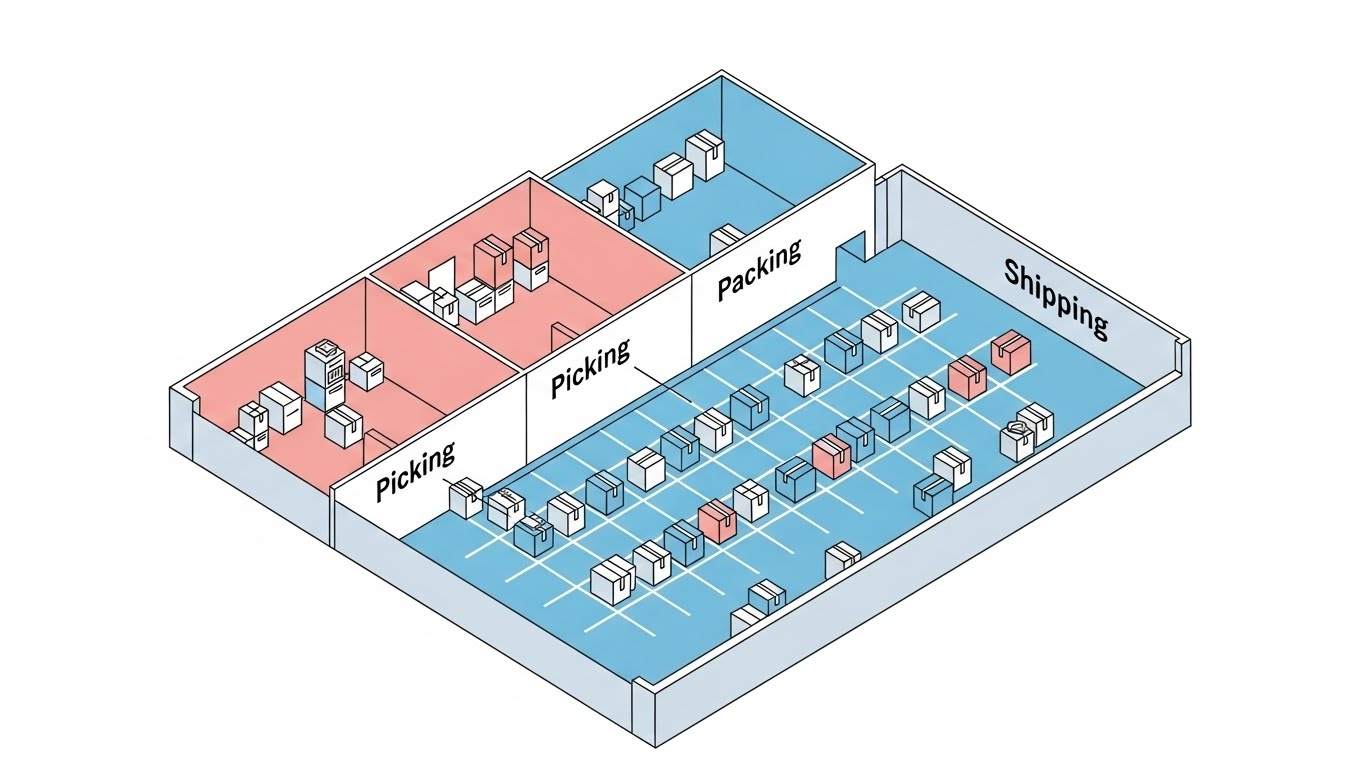
Here, the chaos of the warehouse is tamed into a pristine, pastel-colored blueprint. Using soft pinks and blues, the floor plan is divided into clear zones (Picking, Packing, Shipping). Tiny vector boxes glide along grid paths without friction. The lighting is shadowless and clinical. The narrative shifts to "Educational" and "Consultative," explaining how the software optimizes facility layout and workflow logic.
Psychological Impact & KPI Focus
- Niche Psychology: Operations managers love organization. This style triggers a "satisfaction" response by showing a perfectly ordered world. It alleviates the anxiety of bottlenecks and disorganized inventory.
- Operational Impact: Perfect for Website explainer videos. It facilitates Product Differentiation by visually proving that the software understands the physical logic of a warehouse.
Strategic Implementation & Trade-offs
- Best Use Case: "How it Works" pages or Feature Deep Dives.
- Duration: 60-90 Seconds.
- Trade-off: It can feel a bit "instructional" or dry. It lacks the excitement of the cinematic styles but makes up for it in clarity.
Companies using similar video content -
Made4net – WarehouseExpert – Detailing optimized warehouse layout and workflow logic.
Softeon – WMS – Presenting clean grid-based workflow optimization.
8. MECHANICAL PRECISION 3D
MOFU | Feature Education
The Visual & Narrative Approach
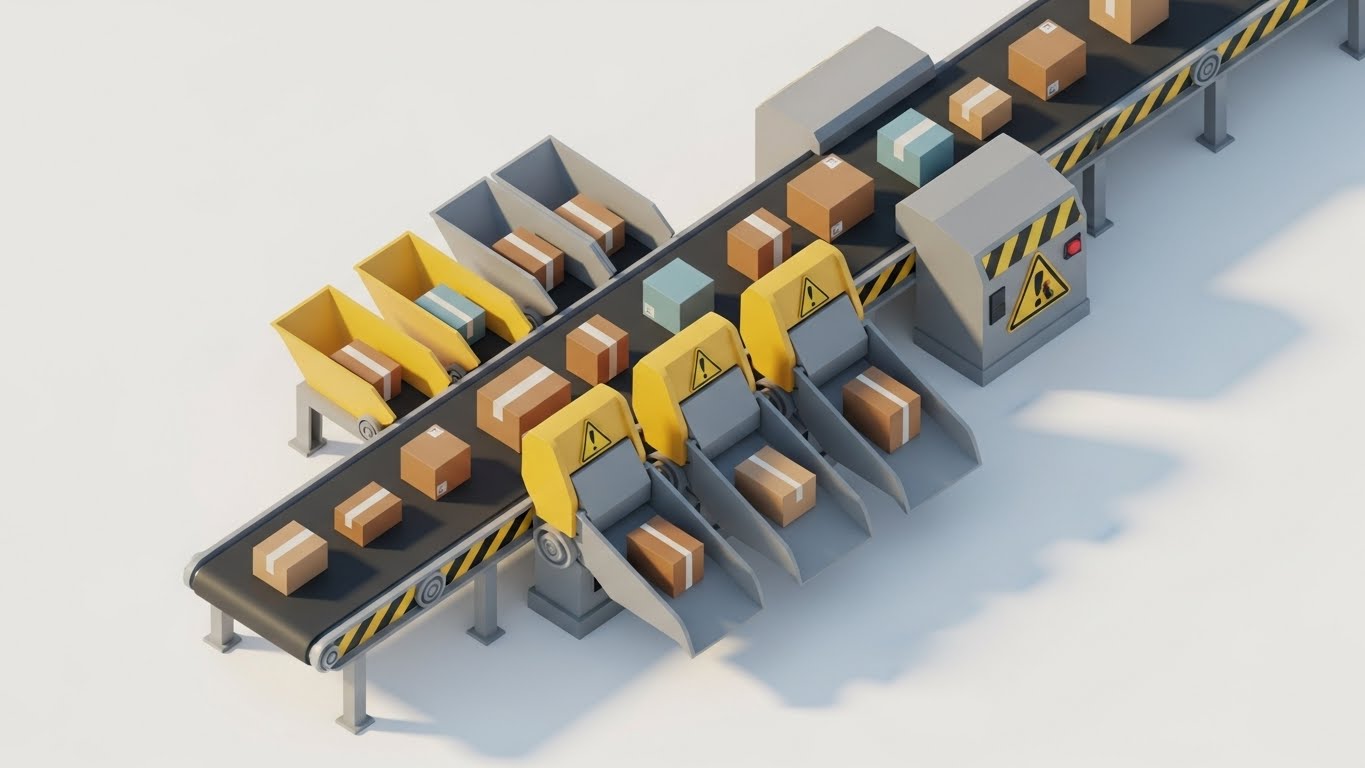
While Style 7 was a blueprint, Style 8 is the "Digital Twin." It features detailed 3D renders of conveyor belts with matte plastic textures in industrial grey and hazard yellow. The focus is on the physics of sorting—diverters pushing packages into chutes with satisfying weight and timing. The background is clean white to keep the focus on the machinery. The narrative focuses on "Hardware Integration," "Precision," and "Error Reduction."
Psychological Impact & KPI Focus
- Niche Psychology: Warehouse engineers trust what they can see. This style demonstrates that the software integrates with physical hardware (conveyors, sorters) realistically. It bridges the software-hardware trust gap.
- Operational Impact: Used on Landing Pages, it drives Feature Education. It shows exactly how the software commands the hardware to sort packages, validating the "Smart Automation" claim.
Strategic Implementation & Trade-offs
- Best Use Case: Product pages for WCS (Warehouse Control Systems) or Automation modules.
- Duration: 45-60 Seconds.
- Trade-off: Higher production cost than 2D. Requires accurate modeling of specific hardware types (e.g., shoe sorters vs. pushers) to maintain credibility with engineers.
Companies using similar video content -
Locus Robotics – LocusONE – Demonstrating mechanical precision of robot-driven workflows.
AutoStore – AutoStore System – Showcasing detailed 3D automation for storage and retrieval.
9. THE REALITY SHIFT
MOFU | Competitive Displacement

The Visual & Narrative Approach
This style leverages the classic "Split Screen" technique to show transformation. The left side is a chaotic, wireframe blueprint (the plan/the old way), while the right side is a bright, photorealistic warehouse (the reality/the new way). A glowing line moves across the screen, overwriting the wireframe with the polished reality. The narrative focuses on "Implementation Success," "Upgrading Legacy Systems," and "Realizing Value."
Psychological Impact & KPI Focus
- Niche Psychology: The fear of implementation failure (the "76%" stat) is real. This visual metaphor shows a smooth, controlled transition from concept to execution, reassuring the buyer that the upgrade process is safe.
- Operational Impact: ideal for LinkedIn ads targeting decision-makers. It visualizes Competitive Displacement—moving from an old, messy system to a new, organized one.
Strategic Implementation & Trade-offs
- Best Use Case: Case Study videos or "Switching to Us" campaigns.
- Duration: 30 Seconds.
- Trade-off: Requires high-quality assets for both the "wireframe" and "real" states. If the transition isn't smooth, the metaphor fails.
Companies using similar video content -
Manhattan Associates – Active Omni – Visualizing transformation from legacy to modern fulfillment.
Blue Yonder – Luminate Platform – Showing successful shift from old systems to integrated reality.
10. GAMIFIED LOGISTICS
MOFU | Category Creation

The Visual & Narrative Approach
This style borrows the aesthetic of casual video games. A faceted, low-poly green truck drives across a landscape made of hexagonal "data nodes." The colors are playful—earth browns and sky blues. The physics are bouncy and fun. The narrative tone is "Friendly," "Easy to Learn," and "Intuitive," specifically targeting the end-users (drivers and warehouse staff).
Psychological Impact & KPI Focus
- Niche Psychology: A major barrier to software adoption is the fear that it will be too hard for staff to learn. This style makes the software look like a game, drastically lowering the perceived "barrier to entry" and cognitive load.
- Operational Impact: Great for Blogs and Training Modules. It fosters Category Creation by positioning the software as the "User-Friendly" alternative in a market of clunky enterprise tools.
Strategic Implementation & Trade-offs
- Best Use Case: User Onboarding videos, Driver App promotions, or internal training.
- Duration: 60-120 Seconds (for training flows).
- Trade-off: It can look "cheap" if not stylized correctly. It is not suitable for selling to high-level board members who want "Enterprise Grade" seriousness, but it is perfect for the users who actually do the work.
Companies using similar video content -
Motive – Driver App – Presenting an accessible, gamified experience for fleet drivers.
Samsara – Driver Workflows – Making fleet management intuitive and engaging for users.
11. THE HUMAN-CENTRIC NARRATIVE**
MOFU | Driving Demo Requests

The Visual & Narrative Approach
This style shifts the lens from the "System" to the "User." Utilizing a clean, cel-shaded 2D vector aesthetic with a sophisticated palette of coral, navy, and cream, it introduces a relatable protagonist—the Warehouse Manager. We see her standing confidently in a glass-walled office, a tablet in hand emitting a soft green "status OK" glow, overlooking a blurred, busy warehouse floor. The narrative is character-driven, walking through a "Day in the Life" where the software acts as her silent, reliable partner, turning potential chaos into a manageable workflow.
Psychological Impact & KPI Focus
- Niche Psychology: A massive barrier to software sales is the fear of "Change Management." Buyers worry their staff will struggle with the new tool. This style uses Social Proof and empathy to visualize a calm, empowered user, directly reducing the anxiety of implementation friction.
- Operational Impact: Best used in Email Nurture Campaigns (MOFU), it targets User Adoption Rates. It humanizes the technology, promising not just efficiency, but a better quality of work-life for the staff.
Strategic Implementation & Trade-offs
- Best Use Case: "Why Us" Email sequences or Team Training intros.
- Duration: 60-90 Seconds.
- Trade-off: It relies on narrative. If the script feels inauthentic, it can backfire. It requires a strong scriptwriter who understands the actual daily struggles of a logistics manager.
Companies using similar video content -
Geotab – Geotab Drive – Storytelling around empowered fleet managers and drivers.
Omnitracs – One World Platform – Focusing on relatable personas in daily logistics operations.
12. THE FRICTIONLESS FLOW
MOFU | Website Visitor Re-engagement

The Visual & Narrative Approach
Radical simplicity defines this style. Against a stark black background, a single continuous white line draws a shipping box, which then fluidly morphs into a checkmark, and finally into a shield. There are no distractions—just pure, fluid motion. The aesthetic is elegant, precise, and hypnotic. The narrative is minimal or text-only, focusing on words like "Seamless," "Verified," and "Protected," syncing perfectly with the morphing animation.
Psychological Impact & KPI Focus
- Niche Psychology: In a complex industry, simplicity is a luxury. This visual style triggers a Cognitive Ease response. It subliminally tells the viewer, "Our software makes the complex simple." It appeals to the desire for a frictionless, headache-free experience.
- Operational Impact: Ideal for Retargeting Display Ads. It reinforces Process Efficiency and "Order Accuracy" without requiring the viewer to watch a full video. It serves as a visual anchor for "Ease of Use."
Strategic Implementation & Trade-offs
- Best Use Case: HTML5 Display Ads or Website Loading Animations.
- Duration: 5-8 Seconds (Looping).
- Trade-off: It is too abstract to explain how the software works. It is purely a branding play to associate the product with "Elegance" and "Simplicity."
Companies using similar video content -
ShipStation – Shipping Software – Illustrating elegant, frictionless order processing.
Opendock – Dock Scheduling Software – Conveying seamless, fluid scheduling and flow.
13. THE AUGMENTED WORKFORCE
MOFU | The Functional Buyer
The Visual & Narrative Approach
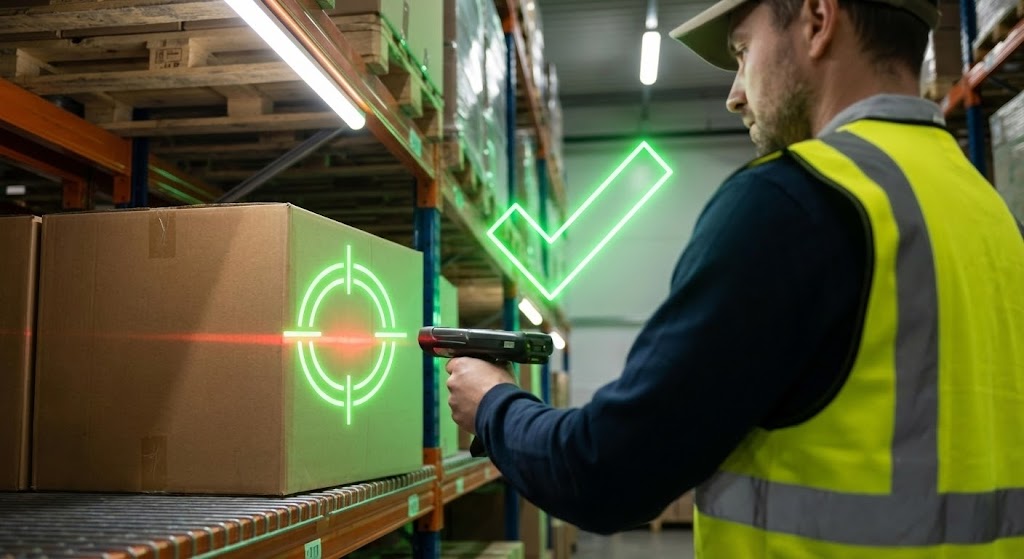
This style bridges the gap between the manual worker and digital intelligence. It uses high-quality photography or video of a real warehouse worker, overlaid with floating, neon green 2D vector graphics. We see a "Target" reticle locking onto the correct box and a floating "Check" mark confirming the scan. The visual language mimics an Augmented Reality (AR) Heads-Up Display. The narrative focuses on "Empowerment," "Accuracy," and "Supercharging your existing workforce."
Psychological Impact & KPI Focus
- Niche Psychology: Many buyers fear that automation means firing staff. This style flips the script, showing technology as a tool that helps people work better. It addresses the "Labor Shortage" issue by suggesting the software makes current teams more efficient.
- Operational Impact: Targets LinkedIn Feeds for the "Functional Buyer" (Operations Directors). It visually demonstrates Pick Accuracy and Labor Productivity gains.
Strategic Implementation & Trade-offs
- Best Use Case: Social Media Ads or Case Study B-Roll.
- Duration: 15-30 Seconds.
- Trade-off: Requires high-quality footage. Stock footage can look generic; custom shooting is preferred to match the specific PPE and environment of the target client.
Companies using similar video content -
Zebra Technologies – MotionWorks – Augmenting live warehouse workers with digital guidance.
Honeywell Intelligrated – Momentum WCS – Empowering workforce productivity with overlaid digital instructions.
14. THE TACTILE TRUST ANCHOR
BOFU | Building Trust & Credibility
The Visual & Narrative Approach
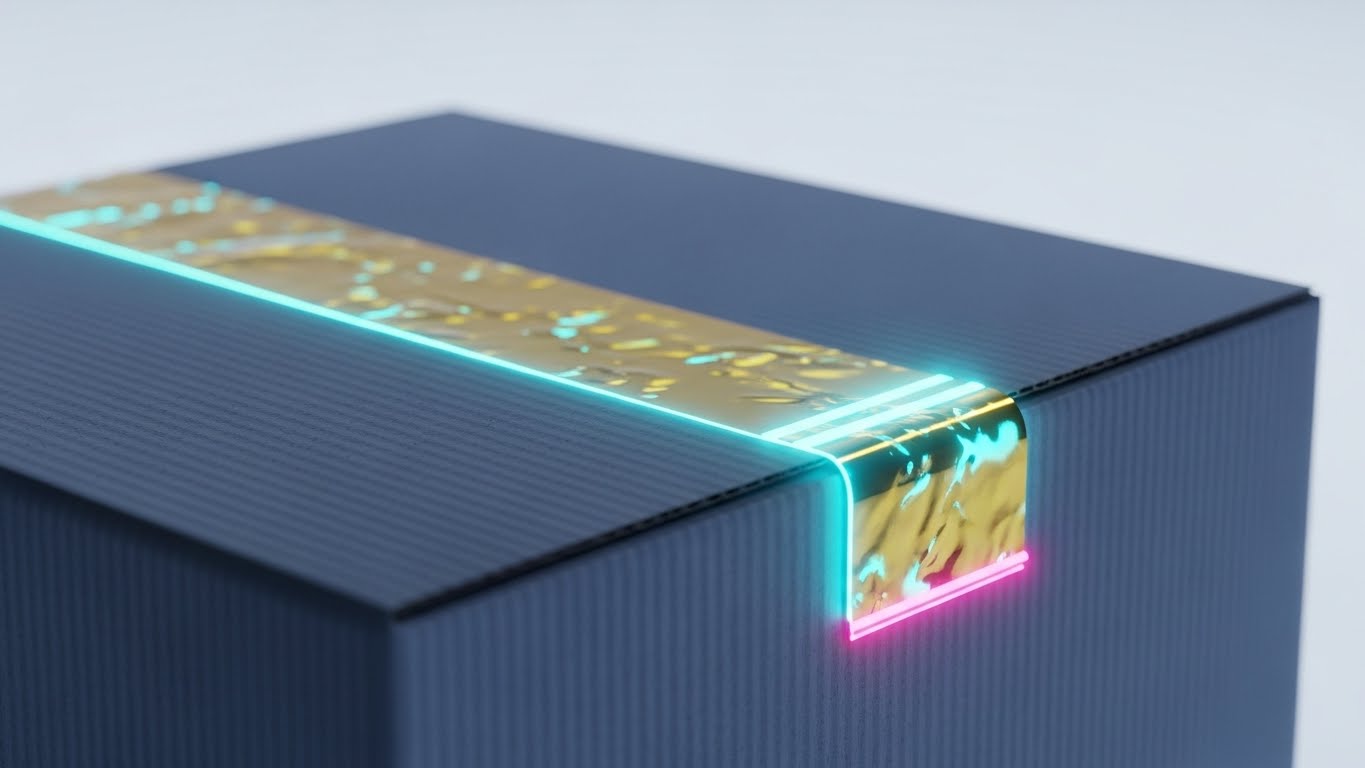
When selling high-ticket software, you sometimes need to sell the result of that software: the perfect package. This style uses hyper-realistic 3D rendering to focus on a single, pristine cardboard box. We see the texture of the paper fibers and the glint of a metallic gold holographic security seal tape applied across the seam. The lighting is "Macro Studio," highlighting the quality and security. The narrative is slow and premium, discussing "Chain of Custody," "Security," and "Brand Protection."
Psychological Impact & KPI Focus
- Niche Psychology: For 3PLs handling high-value goods (electronics, pharma, luxury), trust is everything. This style utilizes Perceived Value psychology. By rendering the package like a luxury product, it associates the software with "Premium Handling" and "Security."
- Operational Impact: Perfect for the Website Hero Section or BOFU Trust pages. It visually validates Security Compliance and "Damage Reduction" claims.
Strategic Implementation & Trade-offs
- Best Use Case: Website Backgrounds or "Security Features" deep dives.
- Duration: 10-20 Seconds (Looping).
- Trade-off: It is static. It conveys quality but doesn't explain workflow. It is a "mood setter" rather than an educator.
Companies using similar video content -
Tive – Solo 5G Tracker – Highlighting tangible security and quality for sensitive shipments.
Controlant – Cold Chain Solution – Building premium trust through photorealistic package integrity.
15. THE TANGIBLE ROI ARCHITECTURE
BOFU | ROI Justification

The Visual & Narrative Approach
CFOs don't buy features; they buy ROI. This style literalizes that concept. Instead of a standard 2D bar chart, we see a 3D chart constructed from stacked, miniature shipping containers in emerald green and silver. The bars ascend sharply, visually proving growth. The text "PROFIT" is integrated into the containers themselves. The background is clean and abstract, keeping the focus on the upward trend. The narrative is strictly financial: "Margin expansion," "Cost-per-unit reduction," and "Revenue optimization."
Psychological Impact & KPI Focus
- Niche Psychology: Financial buyers suffer from "Abstraction Fatigue." They see endless spreadsheets. This style makes the data physical. It anchors the abstract concept of "Profit" to the physical reality of "More Containers Moved."
- Operational Impact: Essential for Sales Decks and Investor Presentations. It provides a Visual ROI Justification that sticks in the mind of the Economic Buyer long after the meeting ends.
Strategic Implementation & Trade-offs
- Best Use Case: The "Results" slide in a Pitch Deck or a Case Study video summary.
- Duration: 10-15 Seconds.
- Trade-off: It is niche. It appeals specifically to the financial decision-maker and might be too dry for an operations manager looking for feature functionality.
Companies using similar video content -
Trimble Transportation – TMS – Visualizing undeniable ROI through container metrics and savings.
MercuryGate – TMS – Demonstrating tangible financial growth with dynamic data visualization.
16. THE "BEFORE & AFTER" RISK AUDIT
BOFU | Overcoming Objections
The Visual & Narrative Approach
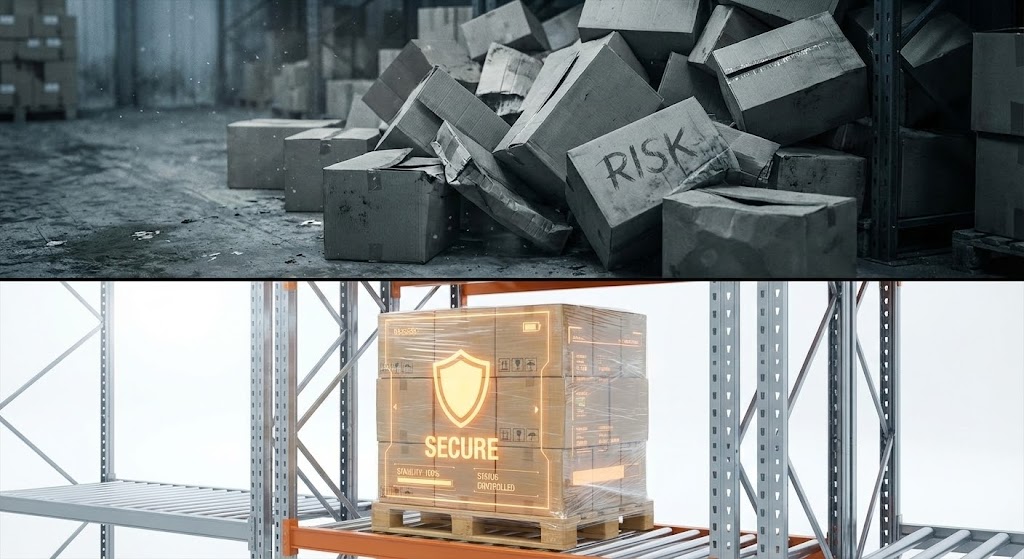
Fear of loss is a powerful motivator. This style uses a horizontal split-screen to create a stark contrast. The top half shows a gritty, desaturated "Reality" of a messy warehouse with boxes falling over, labeled "RISK." The bottom half shows a bright, clean 3D render of a perfectly shrink-wrapped pallet with a glowing orange "SECURE" shield overlay. The narrative hooks the viewer with a challenge: "Is your supply chain vulnerable?" before pivoting to the solution: "Gain absolute control."
Psychological Impact & KPI Focus
- Niche Psychology: This exploits the Contrast Principle. By placing the "Pain" directly next to the "Cure," it creates an immediate desire for the solution. It targets the anxiety of "Chargebacks" and "Damaged Inventory."
- Operational Impact: Highly effective for Social Media Ads (Instagram/LinkedIn) where you need to stop the scroll. It visually communicates Risk Mitigation and "SLA Compliance" in under 3 seconds.
Strategic Implementation & Trade-offs
- Best Use Case: Disruptive Social Ads (Stop-the-scroll).
- Duration: 6-10 Seconds.
- Trade-off: It can be perceived as negative if the "Risk" imagery is too gross or exaggerated. It requires a delicate balance to avoid fear-mongering.
Companies using similar video content -
Overhaul – Sentinel Platform – Contrasting risky operations with optimized, secure reality.
Roambee – Real-Time Visibility – Mitigating operational risk through clear before-and-after visuals.
17. THE X-RAY COMPLIANCE AUDIT
BOFU | Risk Mitigation

The Visual & Narrative Approach
"Visibility" is a buzzword; this style makes it literal. We see a standard shipping container, but its walls are rendered as translucent blue glass. Inside, we see the wooden crates, and inside a specific crate, a glowing red item is revealed. This "X-Ray" aesthetic symbolizes deep-tier visibility. The background is a technical grid, reinforcing precision. The narrative focuses on "Granular Tracking," "Contents Verification," and "Customs Compliance."
Psychological Impact & KPI Focus
- Niche Psychology: For logistics managers dealing with customs or hazmat, the fear is "What is actually in that box?" This visual metaphor assures them that the software provides Total Transparency, eliminating the fear of the unknown.
- Operational Impact: Ideal for Whitepapers or deep-dive product pages about Compliance. It visualizes Inventory Accuracy and "Real-time Auditing" capabilities.
Strategic Implementation & Trade-offs
- Best Use Case: Product pages for Customs Brokerage or Hazmat software modules.
- Duration: 30-45 Seconds.
- Trade-off: It is highly technical. It appeals to the compliance officer but might lack the kinetic energy needed for a general brand awareness campaign.
Companies using similar video content -
TraceLink – Opus Platform – Providing deep transparency for pharmaceutical compliance.
Labelmaster – DGIS – Visualizing absolute compliance control for hazardous materials.
18. THE ALGORITHMIC REVENUE ENGINE
BOFU | The Economic Buyer

The Visual & Narrative Approach
How do you show AI making money? This style uses abstract 3D nodes in deep indigo and violet, connected by a complex web of white data lines. Slowly, the chaotic cluster of nodes organizes itself to form a distinct dollar sign structure. It is high-tech, ethereal, and sophisticated. The narrative avoids technical jargon, focusing instead on "Algorithmic Yield Management," "Dynamic Pricing," and "Network Optimization."
Psychological Impact & KPI Focus
- Niche Psychology: This speaks to the Economic Buyer (CEO/CFO). It reframes "AI" not as a tech feature, but as a "Revenue Generator." It moves the conversation from "Cost Center" to "Profit Center."
- Operational Impact: Perfect for LinkedIn Thought Leadership posts. It visually reinforces Financial Optimization and positions the platform as a strategic business partner, not just a utility.
Strategic Implementation & Trade-offs
- Best Use Case: Investor Relations videos or Strategic Vision announcements.
- Duration: 15-20 Seconds.
- Trade-off: It is abstract. It requires a strong voiceover or text overlay to connect the visual "Dollar Sign" to the specific software capability (e.g., Load Matching).
Companies using similar video content -
SAP – SAP SCM – Visualizing AI-driven financial network optimization for revenue.
Oracle – SCM Cloud – Demonstrating algorithmic revenue maximization through abstract AI visuals.
19. THE IT FORTRESS
BOFU | The Technical Buyer
The Visual & Narrative Approach
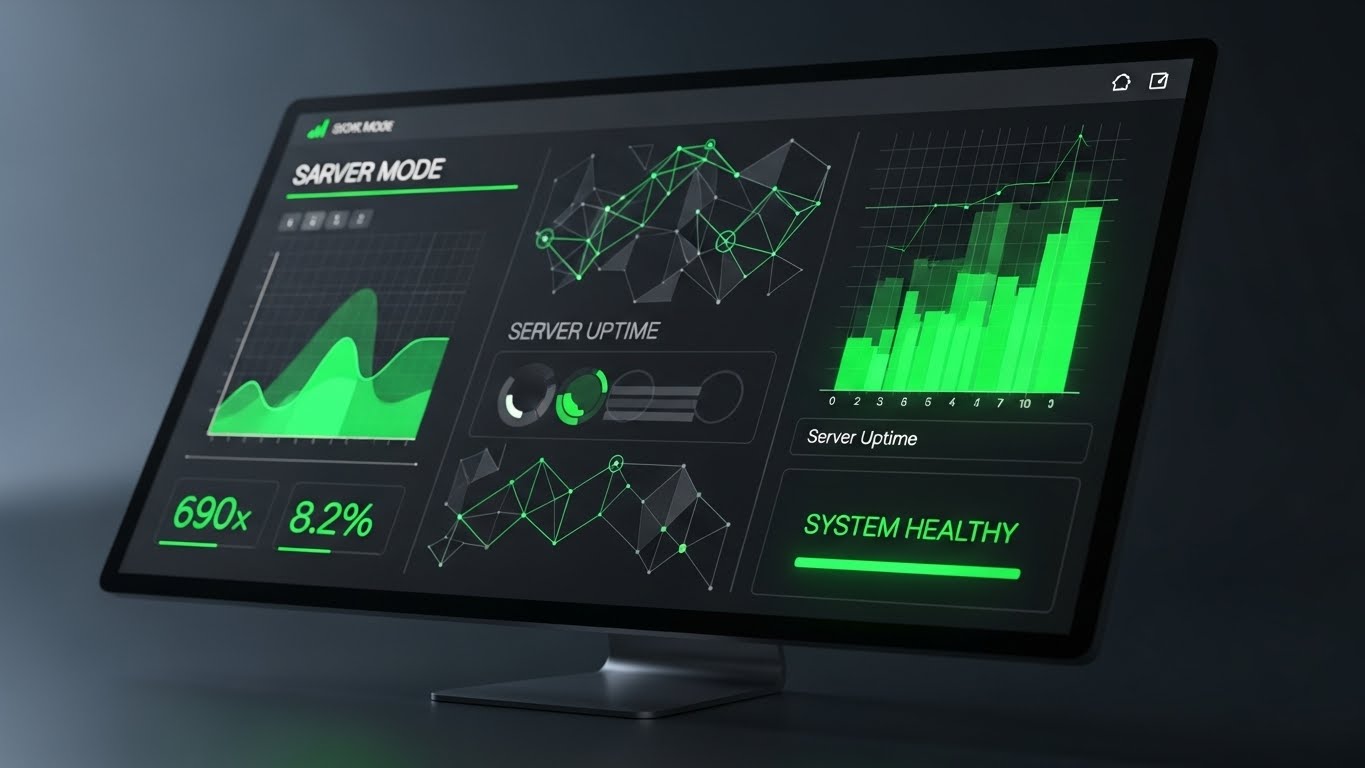
The IT Director is a key gatekeeper in B2B software sales. This style is designed for them. It showcases the software's "Dark Mode" UI—a favorite of developers and power users—against a sleek dark slate background. Neon green data lines spike upwards, and a "SYSTEM HEALTHY" indicator glows prominently. The aesthetic is "Mission Control." The narrative is technical and reassuring: "99.99% Uptime," "Server Health," and "Data Integrity."
Psychological Impact & KPI Focus
- Niche Psychology: IT buyers care about one thing: Stability. They fear calls at 3 AM saying the system is down. This visual style communicates "Robustness" and "Professional Grade" engineering.
- Operational Impact: Targeted at the Technical Buyer during the evaluation phase. It visually proves System Reliability and "Infrastructure Robustness."
Strategic Implementation & Trade-offs
- Best Use Case: Technical Documentation pages or IT Security Review meetings.
- Duration: 30-60 Seconds.
- Trade-off: It is dark and moody. It doesn't work well for general marketing usage where bright, happy imagery is usually preferred. It is strictly for the technical audience.
Companies using similar video content -
AWS IoT Core for Logistics – AWS IoT Core – Showcasing robust system health and infrastructure reliability.
Microsoft Azure IoT for Supply Chain – Azure IoT – Highlighting unshakeable infrastructure for technical buyers.
20. THE EXECUTIVE COMMAND CENTER
BOFU | ROI Justification Hook
The Visual & Narrative Approach
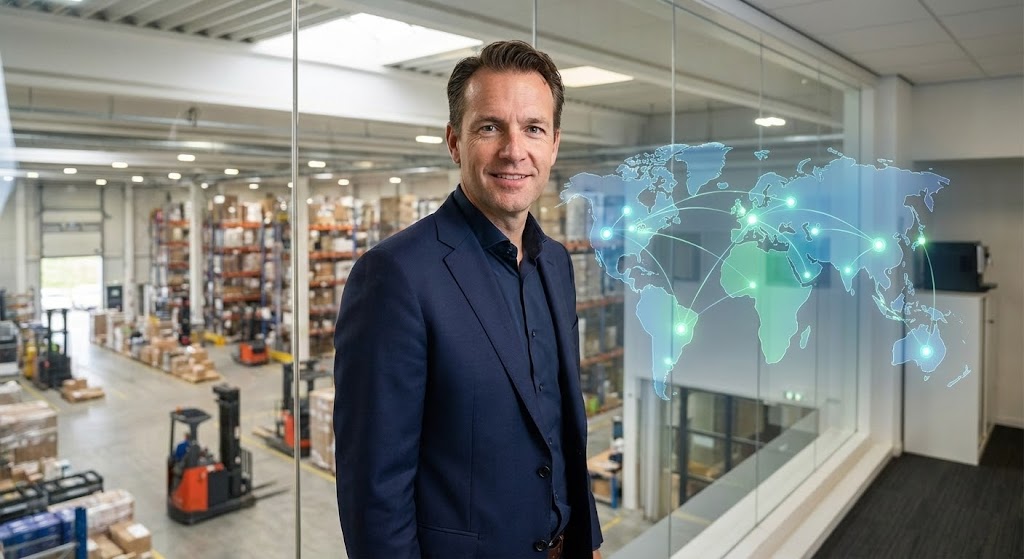
We conclude with the "Captain of Industry." This style uses high-fidelity Generative AI to depict a confident male executive in a navy suit, standing in a modern glass office. A subtle, high-tech hologram of a global map with connecting supply lines floats near him. The lighting is cinematic and warm. The narrative is authoritative, speaking of "Global Strategy," "End-to-End Orchestration," and "Market Leadership."
Psychological Impact & KPI Focus
- Niche Psychology: Decision-makers want to see themselves in the solution. This style acts as a Mirror. It reflects the buyer's self-image (or aspiration) as a global leader controlling a complex network with ease.
- Operational Impact: The ultimate BOFU Closer. Used in high-stakes presentations or "Vision" videos, it reinforces Global Reach and "Strategic Alignment."
Strategic Implementation & Trade-offs
- Best Use Case: Keynote Opener or "About the Company" video.
- Duration: 45-60 Seconds.
- Trade-off: It can feel "staged" if the AI generation isn't perfect. The quality of the face and hands in the generation is critical to maintaining credibility.
Companies using similar video content -
Siemens Digital Logistics – Logistics Platform – Depicting executive presence and global strategic command.
Coupa – Supply Chain Design & Planning – Visualizing strategic command for enterprise decision-makers.
21. CLEAN UI WORKFLOW (LIGHT MODE)**
Onboarding | Accelerating TTV
The Visual & Narrative Approach
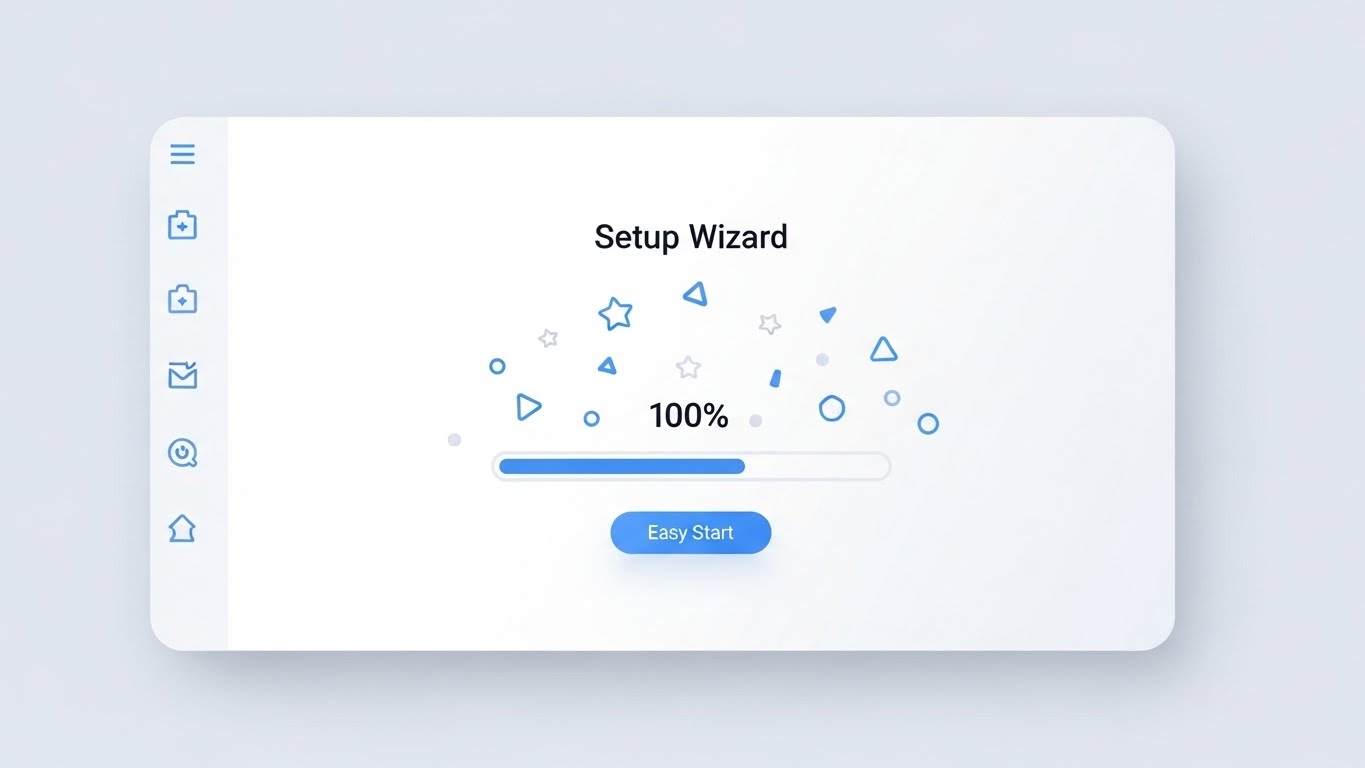
The "Empty State" anxiety is real—users log in and feel overwhelmed. This style combats that with radical simplicity. Using a high-key palette of sterile white and sky blue, we see a "Setup Wizard" interface. It is spacious, uncrowded, and inviting. As the progress bar hits 100%, small, geometric 3D confetti particles float gently, offering a subtle "dopamine hit" of completion. The narrative is encouraging and brief: "Get started in minutes," "Guided setup," and "Instant deployment."
Psychological Impact & KPI Focus
- Niche Psychology: New users often fear they will break the system or get stuck in configuration hell. This visual style utilizes Cognitive Ease to reassure them that the onboarding process is linear, safe, and finite.
- Operational Impact: Directly targets Time-to-Value (TTV). By visualizing the setup as a quick, celebrated win, you reduce the "Activation Gap"—the drop-off point where new users abandon the software before truly using it.
Strategic Implementation & Trade-offs
- Best Use Case: Welcome Emails, App Store Previews, or the very first screen of a Product Tour.
- Duration: 10-15 Seconds.
- Trade-off: It is optimized for "Day One" users. Advanced power users might find the confetti and hand-holding too basic, so use it strictly for onboarding contexts.
Companies using similar video content -
Logiwa – Cloud WMS – Accelerating time-to-value with clean, intuitive onboarding.
ShipStation – Shipping Software – Showcasing minimalist UI for simple, fast setup.
22. RAPID UI FEATURE MONTAGE
Onboarding | Self-Serve Onboarding
The Visual & Narrative Approach
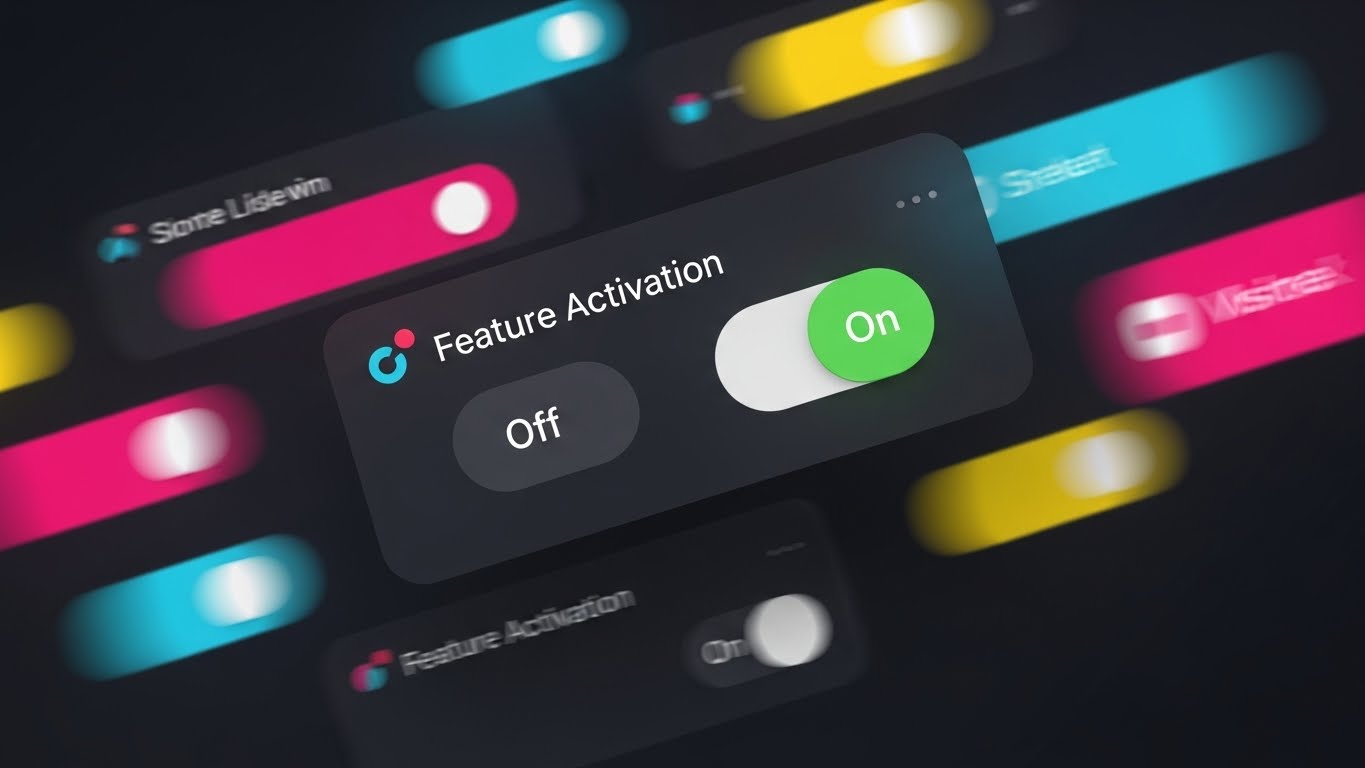
This style is pure energy. It creates a dynamic collage of the software’s most tactile micro-interactions: toggles flipping to green, buttons depressing, and sliders adjusting. The background is a sleek dark gradient, making the vibrant magenta and cyan UI elements pop. Motion blur implies speed. The camera snaps rhythmically between these interactions, creating a sense of a living, active tool. The narrative is punchy: "Activate," "Optimize," "Control," focusing on the breadth of features available at a fingertip.
Psychological Impact & KPI Focus
- Niche Psychology: Existing customers often use only 10% of a platform’s capabilities. This style triggers FOMO (Fear Of Missing Out) regarding their own software usage. It shows them the tools they aren't using yet.
- Operational Impact: Best for Customer Retention and Feature Adoption campaigns. It drives users back into the platform to explore settings they’ve ignored, increasing Stickiness.
Strategic Implementation & Trade-offs
- Best Use Case: "New Feature" Announcement Emails or Quarterly Product Update videos.
- Duration: 15-20 Seconds (Fast cuts).
- Trade-off: It can be overwhelming if not paced correctly. It sells the existence of features, not the detailed workflow of how to use them.
Companies using similar video content -
Tecsys – Elite WMS – Dynamic collage of rapid feature discovery for self-serve onboarding.
Infor – WMS – Showcasing feature velocity for quick user engagement.
23. 2D ANIMATION & UI COMPOSITION
Onboarding | Trial/Freemium Activation

The Visual & Narrative Approach
Bridging the gap between the human user and the digital tool, this style uses a friendly, flat 2D aesthetic. A stylized, orange-sleeved arm extends to "high-five" a floating UI window that displays a massive green checkmark. The background is a brand-aligned purple with playful geometric bursts. It visualizes the software not as a cold tool, but as a "Teammate." The narrative is celebratory: "Partnering for success," "We've got your back," and "Seamless collaboration."
Psychological Impact & KPI Focus
- Niche Psychology: For trial users (Freemium/POV), the lack of human support can feel isolating. This style provides a proxy for human connection, reinforcing the feeling that the user is supported and on the right track.
- Operational Impact: Ideal for In-App Milestones (e.g., "First Order Shipped"). It reinforces User Satisfaction (CSAT) by visually rewarding correct behaviors, encouraging the user to repeat the action.
Strategic Implementation & Trade-offs
- Best Use Case: In-app success modals, Trial Expiry warnings (positive spin), or "Welcome Aboard" social posts.
- Duration: 5-8 Seconds (Looping).
- Trade-off: It is playful and casual. Avoid using this style for serious "System Error" messages or critical compliance alerts where gravity is required.
Companies using similar video content -
Alpega TMS – Alpega TMS – Visualizing human-system partnership for trial activation.
Transporeon – Platform – Encouraging trial success with friendly 2D animation.
24. HOLOGRAPHIC UI OVER 3D RENDER
Retention | Reducing Support Overhead

The Visual & Narrative Approach
To sell "Next-Gen" capabilities, we lean into a futuristic aesthetic. A metallic, silver robot head serves as the anchor, projecting a floating, holographic blue menu from its eyes. The menu lists help-centric options: "Track," "Return," "Help." The environment is a pristine, white tech lab. This visualizes the concept of an "Always-on Assistant" or AI Chatbot. The narrative focuses on "24/7 Availability," "Instant Answers," and "Intelligent Automation."
Psychological Impact & KPI Focus
- Niche Psychology: Users hate waiting for support tickets. This visual metaphor promises Immediacy. It reassures the user that help is automated, intelligent, and instant—not a human you have to wait for.
- Operational Impact: Targets Support Ticket Deflection. By visually promoting the self-serve/AI help tools, you encourage users to solve problems themselves, reducing the burden on your human support team.
Strategic Implementation & Trade-offs
- Best Use Case: Knowledge Base headers, Chatbot launch announcements, or "Support" page hero sections.
- Duration: 10-15 Seconds.
- Trade-off: It is highly stylized. You must ensure your actual chatbot/support tool is robust enough to match the "Futuristic AI" promise, or you risk disappointing the user.
Companies using similar video content -
GreyOrange – GreyMatter – Projecting futuristic AI intelligence for reduced support.
Berkshire Grey – Robotics Solutions – Visualizing AI-powered assistance through holographic UI.
25. HYPER-LAPSE STOCK FOOTAGE
Retention | Reducing Churn

The Visual & Narrative Approach
This style grounds the software in physical reality. It uses a hyper-lapse (fast-motion) shot of a warehouse aisle where a forklift is a blur of orange and yellow motion. Crucially, we overlay a static white digital grid on the floor and floating HUD metrics ("Velocity: 25 km/h," "Throughput: High"). This connects the physical speed of the forklift directly to the digital optimization of the software. The narrative is results-oriented: "Optimize movement," "Increase throughput," and "Data-driven velocity."
Psychological Impact & KPI Focus
- Niche Psychology: Operations Directors care about "Throughput." A static warehouse is a losing warehouse. This style visually equates your software with Movement and Action. It validates the investment by showing the physical result of the code.
- Operational Impact: Powerful for Retention Newsletters and Quarterly Business Reviews (QBRs). It reminds the client why they pay the subscription: to keep goods moving fast.
Strategic Implementation & Trade-offs
- Best Use Case: Background video for "Results" web pages or headers for Case Study emails.
- Duration: 10-20 Seconds (Looping).
- Trade-off: Requires stock footage that matches the client's facility type (e.g., high-bay racking vs. floor stack). Mismatched environments can break immersion.
Companies using similar video content -
Verizon Connect – Reveal – Visualizing efficiency gains with data overlay on hyper-lapse footage.
Motive – AI Dashcams – Demonstrating operational velocity and throughput with data.
26. 3D PARALLAX UI PRESENTATION
Retention | Proactive Support

The Visual & Narrative Approach
Software interfaces are flat, but your product strategy has depth. This style visualizes that depth using a 3D parallax effect. UI screens are rendered as floating panes of glass, layered one behind the other. The camera angles shift to reveal the spacing between layers, suggesting a deep stack of technology. The front layer crisply displays a "New Feature" notification. The aesthetic is premium, clean, and high-tech. The narrative speaks to "Continuous Innovation," "Deep Learning," and "Future-Ready Architecture."
Psychological Impact & KPI Focus
- Niche Psychology: Long-term clients fear software stagnation (Abandonware). This visual style signals Momentum. It subliminally tells the buyer, "We are building the future, layer by layer." It builds confidence in the roadmap.
- Operational Impact: Essential for Product Update Videos and "What's New" webinars. It creates a sense of Perceived Value for the subscription fee—showing that the software is constantly evolving.
Strategic Implementation & Trade-offs
- Best Use Case: Release Note videos or Investor Update decks.
- Duration: 30 Seconds.
- Trade-off: It is abstract. It is better for "Hype" and "Brand" than for teaching a specific workflow, as the parallax angles can distort the text readability.
Companies using similar video content -
One Network Enterprises – Multi-Party Network – Communicating proactive roadmap with layered UI innovation.
Shippeo – Visibility Platform – Showcasing innovation layers and future-ready architecture.
27. FUTURISTIC NEON/DARK MODE
Expansion | Driving Upsell/Cross-sell

The Visual & Narrative Approach
To sell a "Pro" or "Enterprise" tier, you need a visual language that looks expensive. This style adopts a "Dark Mode" cyberpunk aesthetic. In a shadowed warehouse, neon pink and blue strips illuminate the shelves. A vivid red laser beam cuts through the darkness to scan a barcode. The contrast is extreme; the mood is intense and precise. The narrative targets the "Power User": "Unlock advanced capabilities," "Precision scanning," and "Enterprise-grade control."
Psychological Impact & KPI Focus
- Niche Psychology: This appeals to the Status motive. It positions the "Pro" tier not just as more features, but as a cooler, more advanced way to work. It makes the standard tier look "basic" by comparison.
- Operational Impact: Targeted at Expansion/Upsell pages. It visually differentiates the "Premium" offering, helping to justify a higher Average Revenue Per User (ARPU).
Strategic Implementation & Trade-offs
- Best Use Case: Landing pages for "Enterprise" plans or "Add-on Module" promo videos.
- Duration: 15-20 Seconds.
- Trade-off: It is dramatic. If used for basic features (like printing a label), it feels like overkill. Save it for the high-value, high-tech differentiators (AI, API access).
Companies using similar video content -
RightHand Robotics – RightPick – Driving upsells with futuristic, elite tech visuals.
Swisslog – SynQ – Positioning advanced automation with cyberpunk industrial aesthetic.
28. LIFESTYLE STOCK WITH UI OVERLAY
Expansion | Referrals & Advocacy

The Visual & Narrative Approach
At the Expansion stage, relationships matter. This style uses high-quality photography of diverse business professionals shaking hands in a sunlit office. The critical addition is a subtle, glowing blue "digital mesh" overlaying the handshake, symbolizing that the partnership is strengthened by the digital platform. The text "CONNECTED PARTNERSHIP" floats in the 3D space. The narrative is human-centric: "Trusted networks," "Referral ecosystems," and "Growing together."
Psychological Impact & KPI Focus
- Niche Psychology: Referrals rely on Social Capital. People recommend software that makes them look good. This style associates the software with successful, professional human relationships, not just code.
- Operational Impact: Best for Referral Program emails and "Partner Network" pages. It visualizes the Network Effect—showing that joining the platform connects you to a wider ecosystem of success.
Strategic Implementation & Trade-offs
- Best Use Case: Social Media (LinkedIn) posts about partnerships or testimonial videos.
- Duration: Static Image or 5-Second Motion Photo.
- Trade-off: Stock photography can easily look cheesy ("Corporate Handshake"). The quality of the "Digital Mesh" overlay is what elevates it from generic stock to a branded asset.
Companies using similar video content -
Uber Freight – Platform – Visualizing connected partnerships and advocacy.
Freightos – Freightos.com – Driving advocacy through lifestyle stock with UI overlay.
29. ASPIRATIONAL STOCK MONTAGE
Expansion | In-App Upsell

The Visual & Narrative Approach
This style sells the dream of unlimited growth. It features a stunning, cinematic wide shot of a massive shipping port at sunrise—gold light hitting steel cranes, a massive ship on the horizon. The scale is immense. The text overlays are grand: "GLOBAL EXPANSION," "UNLIMITED GROWTH." The narrative lifts the conversation out of the warehouse and into the global economy: "Scale without borders," "International reach," and "The future of logistics."
Psychological Impact & KPI Focus
- Niche Psychology: Every local 3PL dreams of being a global player. This visual acts as an Aspirational Mirror. It aligns your software with the client's ultimate goal: becoming a massive, port-dominating enterprise.
- Operational Impact: Used for In-App Upsells (e.g., "Unlock Multi-Currency Support") or CEO-led vision emails. It justifies the long-term contract by positioning the vendor as a partner for the next 10 years of growth.
Strategic Implementation & Trade-offs
- Best Use Case: "Year in Review" videos or high-level Strategic Pitch Decks.
- Duration: 10-15 Seconds (Slow, majestic movement).
- Trade-off: It is purely brand building. It explains zero functionality. It is an emotional hook, not a logical argument.
Companies using similar video content -
Blue Yonder – Luminate Platform – Inspiring global vision and strategic ambition for expansion.
Manhattan Associates – Active Omni – Promoting aspirational growth with cinematic scale.
30. MACRO UI MICRO-INTERACTIONS
Expansion | The Champion

The Visual & Narrative Approach
We conclude with the moment of decision. This style uses an extreme macro 3D close-up of a mouse cursor hovering over a vivid red button. We see the pixel grid, the texture of the button, and the subtle depression as it is clicked. It focuses intensely on the action. The sound design is a satisfying, reverb-heavy "Click." The narrative is final and decisive: "Upgrade," "Launch," "Go."
Psychological Impact & KPI Focus
- Niche Psychology: The "Call to Action" (CTA) often causes hesitation. This visual creates a Haptic Anchor. It makes the act of clicking "Buy" or "Upgrade" feel tangible, satisfying, and consequential. It visualizes the commitment.
- Operational Impact: The ultimate Conversion Element. Use this at the very end of a demo video or as the final GIF in a sales email. It triggers the Impulse to Act.
Strategic Implementation & Trade-offs
- Best Use Case: The final frame of Product Videos or the CTA button on a Landing Page.
- Duration: 3-5 Seconds.
- Trade-off: It is a punctuation mark, not a sentence. It only works when preceded by a strong value proposition (Styles 1-29).
KNOWLEDGE BASE: The Visual Operations Doctrine
STRATEGIC ALIGNMENT & VISUAL ARCHITECTURE
The "Pre-Production" Strategy. Why visual consistency is operational infrastructure, not just marketing.
- The Cognitive Load Audit: Before creating a single pixel, audit your current training materials. If a user needs to read 500 words to understand "Batch Picking," you have a Cognitive Debt. Your goal with Advids is to replace that text with a 15-second "Isometric Blueprint" (Style 7) video. Measure the reduction in "Time-to-Comprehension."
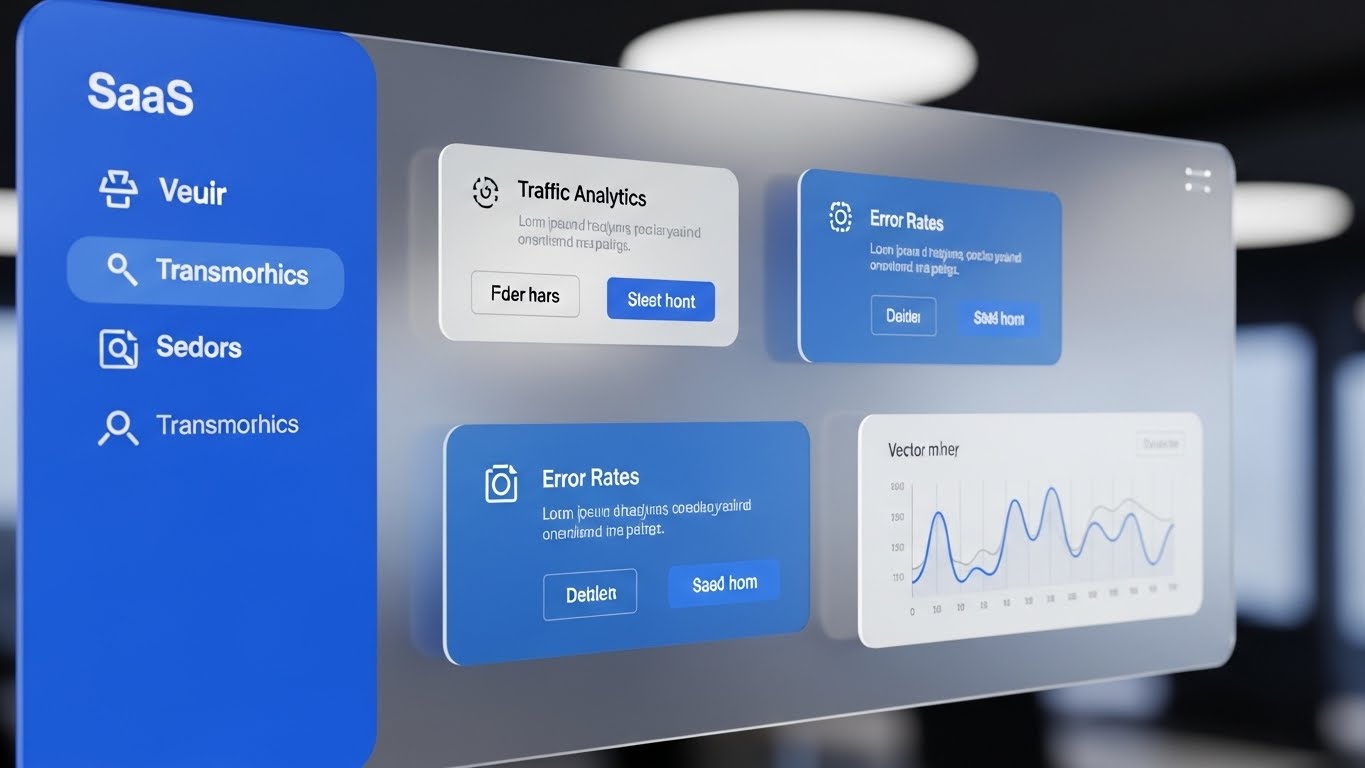
- Role-Based Visual Mapping: A "One-size-fits-all" video strategy fails in 3PL. A Warehouse Associate needs Gamified Mobile Content (Style 10) on a handheld scanner—simple, big buttons, high contrast. A Fleet Manager needs Data-Dense Dashboards (Style 26) on a desktop 4K monitor. Map your visual styles to the specific device and stress level of the viewer.
- The "Glanceability" Standard: In a warehouse, eyes are busy. Visuals must pass the "Glance Test." Can the meaning of the video/graphic be understood in 1.5 seconds? Use high-contrast styles (Style 12: Frictionless Flow) for operational alerts where attention spans are near-zero.
- Brand Voice Consistency: Your marketing videos (Style 1: Macro-Scale) and your training videos (Style 21: Clean UI) often look like they come from different companies. This creates trust fragmentation. Establish a unified "Visual Operating System"—consistent hex codes, font weights, and motion behaviors—across the entire funnel.
- The Advids Strategic Audit: Partner with Advids not just for production, but for the architectural definition. We define the "Visual Language" of your software—how does a "Success" state move? How does an "Error" state sound?—ensuring that every asset builds equity in your brand identity.
- Standardization vs. Customization: For general concepts (like "Safety"), use high-quality standardized assets (Style 13) to save budget. For your unique IP (your specific algorithm), invest in bespoke 3D visualization (Style 18). Don't waste budget animating a generic forklift; spend it animating your proprietary code.
- The Cross-Departmental Bridge: Sales sells "Magic" (Style 3). Ops delivers "Reality" (Style 8). Use visuals to bridge this gap. Create "Translation Assets"—videos that show how the "Magic" feature physically manifests in the "Reality" of the warehouse, aligning Sales promises with Support realities.
- Legacy System Integration: Many 3PLs run on green-screen legacy tech. Use the Reality Shift (Style 9) to visually respect their history while showing the future. Don't mock the old system; visually demonstrate the "Wrapper" or "Integration" that modernizes it without breaking it.
- Accessibility in Logistics: Your workforce is global and multilingual. Motion graphics (Style 2) with clear iconography transcend language barriers. Use visual symbols (Checkmarks, Shields, Arrows) rather than text overlays to reduce the cost of localization for non-native speakers.
- The Mobile-First Mandate: 60% of logistics coordination happens on mobile. If your video style relies on tiny text or complex 4K details, it fails. All 30 styles must be "squint-tested" for a 5-inch screen, ensuring clarity for the driver in the cab or the picker in the aisle.
OPERATIONAL ADOPTION & IMPLEMENTATION
The "Deployment" Phase. How to embed these visuals into the actual workflow to drive usage.
- Overcoming "Big Brother" Anxiety: Implementing driver monitoring or AI cameras creates fear. Use Human-Centric Narrative (Style 11) videos to frame the technology as a "Digital Co-Pilot" for safety, rather than a surveillance tool. Empathy in visualization reduces sabotage and resistance.
- The Micro-Learning Shift: Nobody reads the PDF manual. Slice your training into Micro-Interactions (Style 30). Instead of a 20-minute webinar, embed a 10-second looping GIF of the specific workflow right next to the button in the UI. This is "Just-in-Time" learning.
- Just-in-Time Support: Integrate Holographic UI (Style 24) videos into your Helpdesk. When a user types "Return," the chatbot should instantly serve a 15-second visual guide, not a text article. This reduces support ticket volume and frustration.
- Gamification of Training: Use Gamified Logistics (Style 10) to visualize driver scorecards. Show a "Level Up" animation when safety metrics improve. Visualizing performance data as a game increases engagement and competitive drive among staff.
- Reducing Support Ticket Volume: There is a direct correlation between the quality of your Clean UI Workflow (Style 21) videos and your support costs. Proactive, clear onboarding videos prevent the "How do I...?" tickets that clog your queues. Treat video as a cost-saving support agent.
- Remote Onboarding: For distributed fleets, physical seminars are impossible. Use Augmented Workforce (Style 13) videos to simulate on-site training. Show the driver exactly what to do in the cab using first-person POV camera angles overlaid with graphic instructions.
- Visual SOPs: Transform dusty Standard Operating Procedures (SOPs) into Isometric Blueprint (Style 7) animations. A visual flow of "Receiving to Putaway" ensures process adherence far better than a text list. Visuals leave less room for interpretation and error.
- Feedback Loops: Use interactive video elements. At the end of a Feature Montage (Style 22), ask "Did this help?" with a simple thumbs up/down interaction. Use this data to refine which visual styles are actually driving comprehension.
- Scalable Localization: When expanding to new regions (e.g., LATAM or APAC), use Abstract Motion Graphics (Style 6). By relying on geometry and motion rather than on-screen text or specific cultural markers (like distinct truck models), you create assets that are globally reusable with zero edit costs.
- Leadership Communication: When pitching a new fleet strategy to the Board, do not use spreadsheets. Use Executive Command Center (Style 20) visuals. Show the "Control Tower" view. Leaders buy the vision of control and visibility, and high-end video communicates that authority instantly.
MEASURING IMPACT & FUTURE-PROOFING
The "ROI" Phase. How to measure the success of your visual strategy and prepare for the AI era.
- Beyond "Views": Vanity metrics (views) are useless in B2B. Measure Time-to-Competency. Does the group that watched the clean UI (Style 21) video make their first shipment faster than the group that didn't? That delta is the ROI of your video.
- The "Idle Time" Metric: In software, "Idle Time" (time spent staring at a screen) suggests confusion. Correlate the deployment of Micro-Interaction (Style 30) tooltips with a reduction in idle time. Better visuals mean faster clicks and more efficient work.
- Compliance Velocity: When a new regulation (e.g., ELD mandate) hits, measure how fast your fleet becomes compliant. Use X-Ray Compliance (Style 17) videos to explain the rule changes. High-velocity compliance reduces legal risk and fines.
- Retention and Churn: The "QBR" (Quarterly Business Review) is a churn danger zone. Use Hyper-lapse Data (Style 25) videos to visually recap the value delivered (miles saved, orders shipped) over the last 90 days. Visualizing past value secures future revenue.
- The AI Visual Frontier: Prepare for Generative UI. In the future, the interface will build itself. Your video assets need to be modular. Build a library of "Asset Components" (Style 22) that can be dynamically reassembled by AI to create personalized video guides on the fly.
- Scalability of Assets: Don't build "One-off" videos. Build a "Visual Design System" with Advids. Create a library of 3D models (trucks, boxes, scanners) that are your proprietary assets. This allows you to generate new Tactile Trust (Style 14) videos in hours, not weeks, as you scale.
- The Advids Partnership: We are not just a production house; we are your Visual Asset Managers. As your software features evolve, we update the existing video library. We ensure your visual documentation never becomes "Legacy," protecting your investment in the content.
- Benchmarking Success: "Good enough" visuals are a competitive risk. If your competitor uses Cinematic Macro-Scale (Style 1) and you use screen recordings, you lose the "Perception War" before the demo starts. Regularly benchmark your visual fidelity against the top 10% of the market.
- The ROI of Safety: Safety incidents cost millions. Quantify the reduction in accidents after deploying Kinetic Reliability (Style 5) safety training. If accidents drop by 5%, the video strategy has paid for itself 100x over. Visuals save lives and insurance premiums.
- Final Call to Innovation: Treat video as Infrastructure, not content. It is as vital to your software as the code itself. It is the interface through which humans understand your machine logic. By investing in this "Strategic Visualization" framework, you are not just making videos; you are building the bridge that allows your 3PL software to dominate the market. Orchestrate the future.
Companies using similar video content -
Tecsys – Elite WMS – Focusing on the decisive click for upgrades and commitment.
Infor – WMS – Highlighting the macro micro-interaction of closing a deal.
Author & Editor Bio